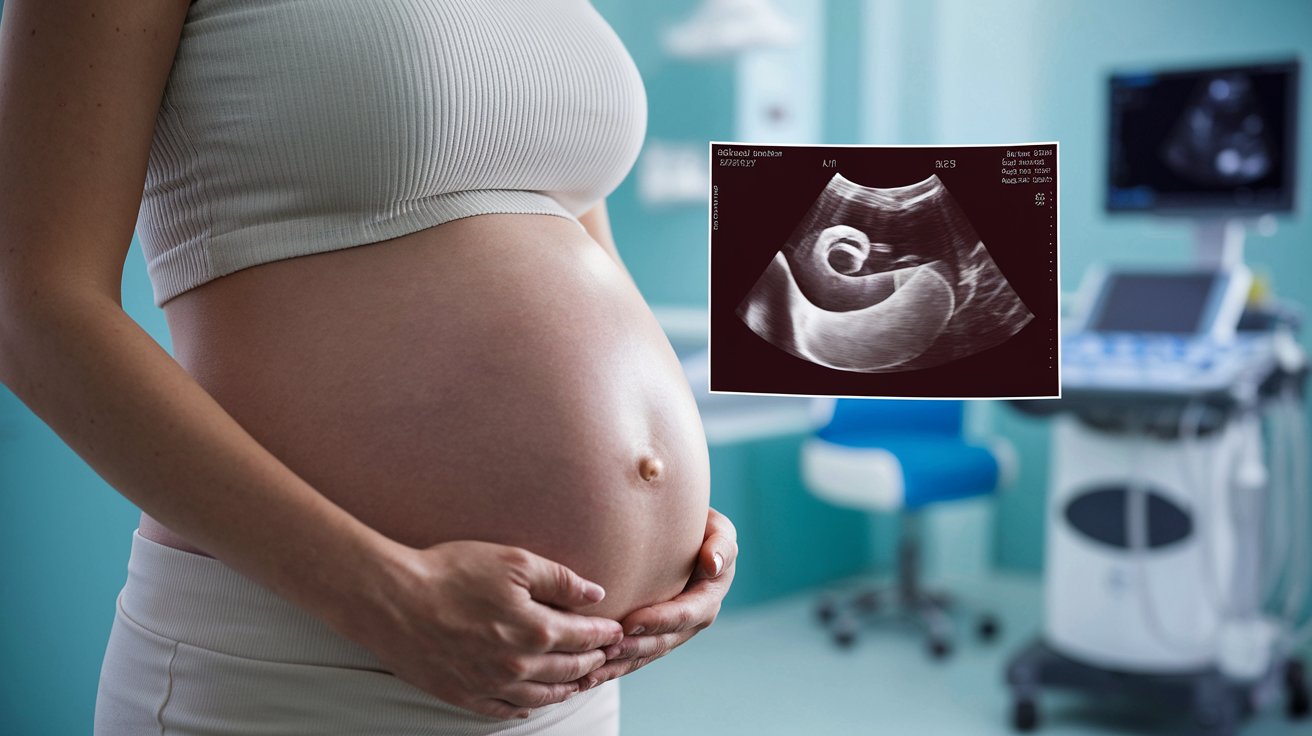
Understanding the risks of drinking alcohol during pregnancy is crucial for every expectant mother and their healthcare providers. No amount of alcohol has been proven safe during pregnancy, as it can cause irreversible developmental harm to the fetus. This comprehensive guide examines how alcohol affects pregnancy across all trimesters, identifies populations at highest risk, and provides evidence-based strategies for maintaining an alcohol-free pregnancy in 2026.
How Alcohol Affects Fetal Development
When a pregnant woman drinks alcohol, it rapidly crosses the placental barrier and enters the fetal bloodstream at concentrations similar to the mother’s blood alcohol level. The developing fetus lacks the mature enzymes needed to metabolize alcohol efficiently, resulting in prolonged exposure to toxic byproducts. According to the Centers for Disease Control and Prevention, approximately 10.2% of pregnant women in the United States reported alcohol consumption during pregnancy in recent surveys, despite clear medical warnings against this practice.
The fetal brain and central nervous system are particularly vulnerable to alcohol exposure throughout all stages of pregnancy. Alcohol disrupts cellular migration, interferes with neurotransmitter development, and can cause permanent structural abnormalities in brain architecture. Research from the National Institute on Alcohol Abuse and Alcoholism demonstrates that even moderate drinking episodes can alter fetal brain connectivity patterns that persist into childhood and adolescence, affecting learning, memory, and behavioral regulation.
Risks During Each Trimester of Pregnancy
The timing of alcohol exposure significantly influences the type and severity of developmental complications that may occur. Each trimester presents unique vulnerabilities as different organ systems undergo critical formation and maturation processes.
First Trimester Alcohol Exposure Risks
The first trimester represents the highest risk period for alcohol-induced birth defects, as this is when major organ systems begin formation. Alcohol consumption during weeks 3-8 of pregnancy can cause structural abnormalities affecting the heart, kidneys, bones, and central nervous system. The risk of miscarriage increases significantly with alcohol exposure in early pregnancy, with studies showing a 16% increased risk for women consuming even small amounts during the first trimester. Many women unknowingly drink before realizing they are pregnant, which underscores the importance of avoiding alcohol when trying to conceive.
Facial features characteristic of Fetal Alcohol Syndrome, including a smooth philtrum, thin upper lip, and small eye openings, develop when alcohol disrupts craniofacial development during the first trimester. These physical markers are permanent and can be accompanied by growth deficiencies that persist throughout life. The American College of Obstetricians and Gynecologists reports that first trimester binge drinking carries particularly severe consequences, with four or more drinks in a single occasion dramatically increasing the likelihood of serious birth defects.
Second Trimester Drinking Consequences
During the second trimester, the fetal brain undergoes rapid growth and increased complexity in neural connections. Alcohol exposure during this period primarily affects cognitive development, learning capacity, and behavioral regulation systems. Women who accidentally drank alcohol during the second trimester should immediately inform their healthcare provider to establish enhanced monitoring protocols and assess potential interventions. While structural defects are less common during this period compared to the first trimester, the risk of neurodevelopmental impairments remains substantial.
Growth restriction becomes increasingly apparent when alcohol is consumed during mid-pregnancy. The placenta may not function optimally under the influence of alcohol, reducing nutrient and oxygen delivery to the developing fetus. This can result in intrauterine growth restriction, leading to low birth weight and associated complications. Research indicates that even moderate alcohol intake during the second trimester can reduce birth weight by an average of 84 grams per drink consumed weekly.
Third Trimester Alcohol Impacts
The third trimester is characterized by dramatic brain growth, with the brain tripling in mass during the final three months of pregnancy. Alcohol exposure during this period disrupts myelination, the process by which nerve fibers develop protective sheaths essential for rapid signal transmission. Drinking during the third trimester has been linked to attention deficits, hyperactivity, and executive function impairments that manifest during childhood and persist into adulthood.
The hippocampus, critical for memory formation and spatial navigation, is particularly sensitive to alcohol damage in late pregnancy. Studies using advanced neuroimaging techniques have documented reduced hippocampal volumes in children exposed to alcohol during the third trimester. Additionally, the risk of premature birth increases with third trimester alcohol consumption, potentially leading to respiratory distress syndrome, feeding difficulties, and prolonged hospitalization after delivery.
Fetal Alcohol Spectrum Disorders (FASD)
Fetal Alcohol Spectrum Disorders encompass a range of lifelong physical, behavioral, and cognitive disabilities resulting from prenatal alcohol exposure. FASD affects approximately 1-5% of children in the United States, making it the leading preventable cause of developmental disabilities. The spectrum includes Fetal Alcohol Syndrome at the most severe end, characterized by distinctive facial features, growth deficiencies, and central nervous system abnormalities, as well as less obvious but equally impactful conditions like Alcohol-Related Neurodevelopmental Disorder.
Children with FASD frequently experience learning disabilities, memory impairments, difficulty with executive functions like planning and impulse control, and challenges in social situations. The economic burden of FASD in the United States exceeds $5.4 billion annually when accounting for healthcare costs, special education services, and lost productivity. Early diagnosis and intervention can significantly improve outcomes, yet many cases remain undiagnosed because the neurobehavioral effects of prenatal alcohol exposure may not become apparent until school age when cognitive demands increase.
Understanding Safe Drinking Limits
The unequivocal medical consensus in 2026 is that no amount of alcohol is safe during pregnancy. The Surgeon General, the American Academy of Pediatrics, the American College of Obstetricians and Gynecologists, and the Centers for Disease Control and Prevention all recommend complete abstinence from alcohol throughout pregnancy. This guidance reflects decades of research demonstrating that there is no established safe threshold for alcohol consumption during pregnancy.
Some women wonder about the safety of having a sip of beer or wine during pregnancy, particularly during social occasions. While a single small sip is unlikely to cause measurable harm, establishing any pattern of alcohol consumption creates risks and normalizes drinking during pregnancy. The challenge lies in the impossibility of determining a universally safe amount, as individual factors including maternal metabolism, genetic variations, nutritional status, and timing of exposure all influence fetal vulnerability to alcohol. Additionally, women who believe light drinking is acceptable may unknowingly exceed safe limits, as standard drink measurements are often misunderstood.
What Happens If You Drink Before Knowing You’re Pregnant
Many women experience anxiety after discovering they consumed alcohol before realizing they were pregnant. Approximately 50% of pregnancies in the United States are unplanned, and alcohol consumption during the earliest weeks of pregnancy is common. The critical factor is what happens after pregnancy recognition: immediately stopping all alcohol consumption significantly reduces ongoing risks to fetal development.
During the first two weeks after conception, before implantation occurs, the all-or-nothing principle generally applies—the embryo either develops normally or fails to implant. However, once implantation occurs around day 6-12, the developing embryo becomes vulnerable to alcohol’s teratogenic effects. Women who drank alcohol before a positive pregnancy test should inform their healthcare provider, who can provide reassurance, establish baseline assessments, and develop an appropriate monitoring plan. The vast majority of babies born to women who stopped drinking upon pregnancy discovery develop normally, emphasizing that cessation is the most important protective step.
Alcohol Cravings During Pregnancy
Some women report experiencing cravings for alcohol during pregnancy, which can be distressing and confusing. These cravings may stem from various sources including habitual patterns established before pregnancy, social situations where alcohol is present, or attempts to manage stress and pregnancy-related discomforts. However, craving alcohol while pregnant does not indicate a physiological need and should not be interpreted as a sign that the body requires alcohol.
Pregnancy-related alcohol cravings may actually signal nutritional deficiencies, dehydration, or the need for stress management strategies. Women experiencing persistent cravings should consult their healthcare provider to rule out underlying issues and develop healthy alternatives. Effective strategies include substituting alcohol with non-alcoholic beverages in similar glassware, addressing stress through prenatal yoga or meditation, ensuring adequate hydration and nutrition, and seeking support from partners, friends, or counseling services. Research indicates that women who actively replace drinking habits with positive alternatives report greater success in maintaining alcohol abstinence throughout pregnancy.
Populations at Highest Risk
Certain populations face elevated risks of alcohol consumption during pregnancy due to social, economic, and healthcare access factors. Women aged 35-44 have the highest rates of drinking during pregnancy at 14.4%, compared to 7.6% among women aged 18-24. Additionally, women with higher educational attainment and income levels paradoxically report higher rates of alcohol use during pregnancy, possibly due to social drinking cultures and misconceptions about moderate consumption safety.
Women with alcohol use disorder prior to pregnancy face the greatest challenges in achieving and maintaining abstinence. Approximately 3.7% of pregnant women meet criteria for alcohol use disorder, requiring specialized intervention and support. Other high-risk groups include women experiencing intimate partner violence, those with co-occurring mental health conditions including depression and anxiety, and women in communities where prenatal alcohol use is culturally normalized or minimized. Targeted screening and intervention programs for these populations are essential for reducing prenatal alcohol exposure rates across the United States.
Medical Screening and Intervention Approaches
Universal alcohol screening during pregnancy is recommended at the first prenatal visit and throughout pregnancy. Healthcare providers utilize validated screening tools such as the T-ACE, TWEAK, and AUDIT-C questionnaires to identify alcohol use and assess risk levels. The Substance Abuse and Mental Health Services Administration reports that only 22% of pregnant women receive adequate screening for alcohol use, representing a significant gap in prenatal care quality.
Brief interventions delivered by healthcare providers have demonstrated effectiveness in reducing alcohol consumption during pregnancy. These typically involve 5-15 minute counseling sessions that provide personalized feedback about risks, assess readiness to change, and collaboratively develop strategies for abstinence. For women with alcohol use disorder, more intensive interventions including cognitive-behavioral therapy, motivational interviewing, and in some cases medication-assisted treatment under close medical supervision may be necessary. Integrated care models that address mental health, substance use, and prenatal care simultaneously produce the best outcomes for both maternal and fetal health.
Practical Strategies for Avoiding Alcohol in Pregnancy
Successfully maintaining alcohol abstinence during pregnancy requires practical strategies tailored to individual circumstances and challenges. Women should inform their social network about their pregnancy and alcohol-free status, reducing pressure in social situations. Planning responses to offers of alcohol in advance helps navigate potentially uncomfortable situations with confidence. Many women find that ordering non-alcoholic alternatives in settings where others are drinking helps them feel included while maintaining their commitment to abstinence.
Environmental modifications can significantly support alcohol-free pregnancy goals. Removing alcohol from the home eliminates temptation and signals commitment to partners and family members. Identifying and avoiding high-risk situations, particularly during the first weeks after quitting, prevents relapse. Building a support system that includes healthcare providers, partners, family members, and potentially support groups creates accountability and encouragement. Women should also develop healthy stress management techniques including regular physical activity appropriate for pregnancy, adequate sleep, mindfulness practices, and engaging in enjoyable alcohol-free activities.
Partner and Family Support Roles
Partners play a crucial role in supporting alcohol-free pregnancy. Research demonstrates that women whose partners also abstain from alcohol during pregnancy have significantly higher rates of maintaining abstinence themselves. Partners can contribute by eliminating alcohol from shared spaces, participating in alcohol-free social activities, and providing emotional support during challenging moments. Partner involvement in prenatal care visits increases engagement and understanding of alcohol-related risks.
Family members and friends can create supportive environments by respecting the pregnant woman’s decision to avoid alcohol without questioning or minimizing its importance. Hosting alcohol-free gatherings and offering non-alcoholic beverage options demonstrates consideration and support. Family members should avoid sharing anecdotal stories about drinking during pregnancy without consequences, as these narratives can undermine medical recommendations and create confusion. Instead, reinforcing the pregnant woman’s commitment and celebrating her healthy choices strengthens her resolve and models appropriate behavior for future pregnancies within the family.
Getting Professional Help for Alcohol Use
Women struggling with alcohol use during pregnancy should seek professional help immediately without shame or delay. The Substance Abuse and Mental Health Services Administration National Helpline (1-800-662-4357) provides free, confidential, 24/7 referrals to local treatment facilities and support groups. Many communities offer specialized programs designed specifically for pregnant women with substance use disorders that provide comprehensive services including prenatal care, addiction treatment, mental health support, and parenting education.
Evidence-based treatments for alcohol use disorder in pregnancy include cognitive-behavioral therapy, which helps identify triggers and develop coping strategies, and motivational interviewing, which strengthens internal motivation for change. Residential treatment programs may be appropriate for women with severe alcohol use disorder or those lacking stable home environments. Medication-assisted treatment options are limited during pregnancy, but in severe cases of alcohol dependence, carefully monitored interventions may be necessary to prevent dangerous withdrawal symptoms. Follow-up care extending into the postpartum period is essential, as relapse risks increase significantly after delivery when pregnancy-related motivation for abstinence diminishes.
Related video about risks of drinking alcohol during pregnancy
This video complements the article information with a practical visual demonstration.
Your questions answered
How does drinking alcohol while pregnant affect the baby?
Drinking alcohol while pregnant directly affects the baby as alcohol crosses the placenta and enters fetal circulation at similar concentrations to maternal blood levels. The developing fetus cannot metabolize alcohol efficiently, leading to prolonged toxic exposure that disrupts cell division, organ formation, and brain development. Effects include physical birth defects, growth restriction, facial abnormalities, and permanent brain damage causing learning disabilities, behavioral problems, and cognitive impairments collectively known as Fetal Alcohol Spectrum Disorders. The severity depends on timing, amount, and pattern of alcohol consumption, but no safe level has been established.
What happens if you drink alcohol before you know you’re pregnant?
Drinking alcohol before knowing you are pregnant is common since approximately 50% of pregnancies are unplanned. During the first two weeks post-conception before implantation, the all-or-nothing principle generally applies where the embryo either develops normally or fails to implant. After implantation around day 6-12, the embryo becomes vulnerable to alcohol effects. The most important action is immediately stopping all alcohol consumption upon pregnancy discovery. Most babies born to women who stopped drinking after learning of pregnancy develop normally. Inform your healthcare provider about any early alcohol exposure for appropriate monitoring and reassurance.
Is it normal for a pregnant woman to crave alcohol?
Some pregnant women experience alcohol cravings, which can be distressing but does not indicate a physiological need for alcohol. These cravings typically stem from habitual patterns established before pregnancy, social situations, stress management attempts, or potentially underlying nutritional deficiencies or dehydration. Cravings should not be interpreted as the body requiring alcohol and should not be acted upon. Effective management includes substituting non-alcoholic beverages, addressing stress through healthy alternatives like prenatal yoga, ensuring adequate nutrition and hydration, and seeking support from healthcare providers. Persistent cravings warrant medical consultation to rule out underlying issues.
Can you have a sip of beer when pregnant?
Medical experts universally recommend complete abstinence from alcohol during pregnancy, meaning not even a sip of beer is considered safe. While a single small sip is unlikely to cause measurable harm, no safe threshold for alcohol consumption during pregnancy has been established. Individual variations in metabolism, genetics, nutritional status, and fetal development stage make it impossible to determine a universally safe amount. Allowing any alcohol consumption normalizes drinking during pregnancy and may lead to underestimating amounts consumed. The American College of Obstetricians and Gynecologists, CDC, and Surgeon General all advise zero alcohol throughout pregnancy.
Will alcohol kill a baby in early pregnancy?
Alcohol consumption in early pregnancy increases the risk of miscarriage by approximately 16% even with small amounts, though it does not inevitably kill the baby. During the first two weeks post-conception, the all-or-nothing principle typically applies where exposure either prevents implantation or the embryo develops normally. After implantation, alcohol exposure can cause serious birth defects affecting the heart, brain, facial features, and other organ systems, particularly during weeks 3-8 when major structures form. Rather than directly causing death in all cases, early alcohol exposure creates significant risks for developmental abnormalities, growth restriction, and pregnancy loss. Immediate cessation upon pregnancy discovery provides the best protection for continued fetal development.
What are the long-term effects of prenatal alcohol exposure?
Long-term effects of prenatal alcohol exposure persist throughout life and include learning disabilities, memory impairments, attention deficits, hyperactivity, difficulty with executive functions like planning and impulse control, and challenges in social situations. Physical effects may include distinctive facial features, growth deficiencies, heart defects, kidney problems, and skeletal abnormalities. Neurological impacts include reduced brain volume particularly in the hippocampus and corpus callosum, altered brain connectivity patterns, and impaired myelination affecting signal transmission speed. Children with Fetal Alcohol Spectrum Disorders often require special education services, experience mental health challenges including depression and anxiety, and face increased risks of substance use disorders, legal problems, and dependent living situations in adulthood.
| Risk Factor | Impact on Pregnancy | Prevention Strategy |
|---|---|---|
| First Trimester Alcohol Use | Structural birth defects, facial abnormalities, organ malformation, increased miscarriage risk | Complete abstinence when trying to conceive and throughout pregnancy |
| Second Trimester Exposure | Cognitive impairments, growth restriction, placental dysfunction | Immediate cessation upon pregnancy discovery with healthcare provider notification |
| Third Trimester Drinking | Brain development disruption, attention deficits, premature birth risk | Sustained abstinence with stress management alternatives and partner support |
| Binge Drinking Pattern | Severe FASD risk, multiple organ system damage, profound developmental delays | Professional treatment programs and intensive medical monitoring |
| Social Drinking Pressure | Normalized consumption leading to repeated exposure | Clear communication about pregnancy, non-alcoholic alternatives, supportive social network |
| Alcohol Use Disorder | Highest risk for severe FASD and multiple complications | Specialized addiction treatment integrated with prenatal care and mental health support |