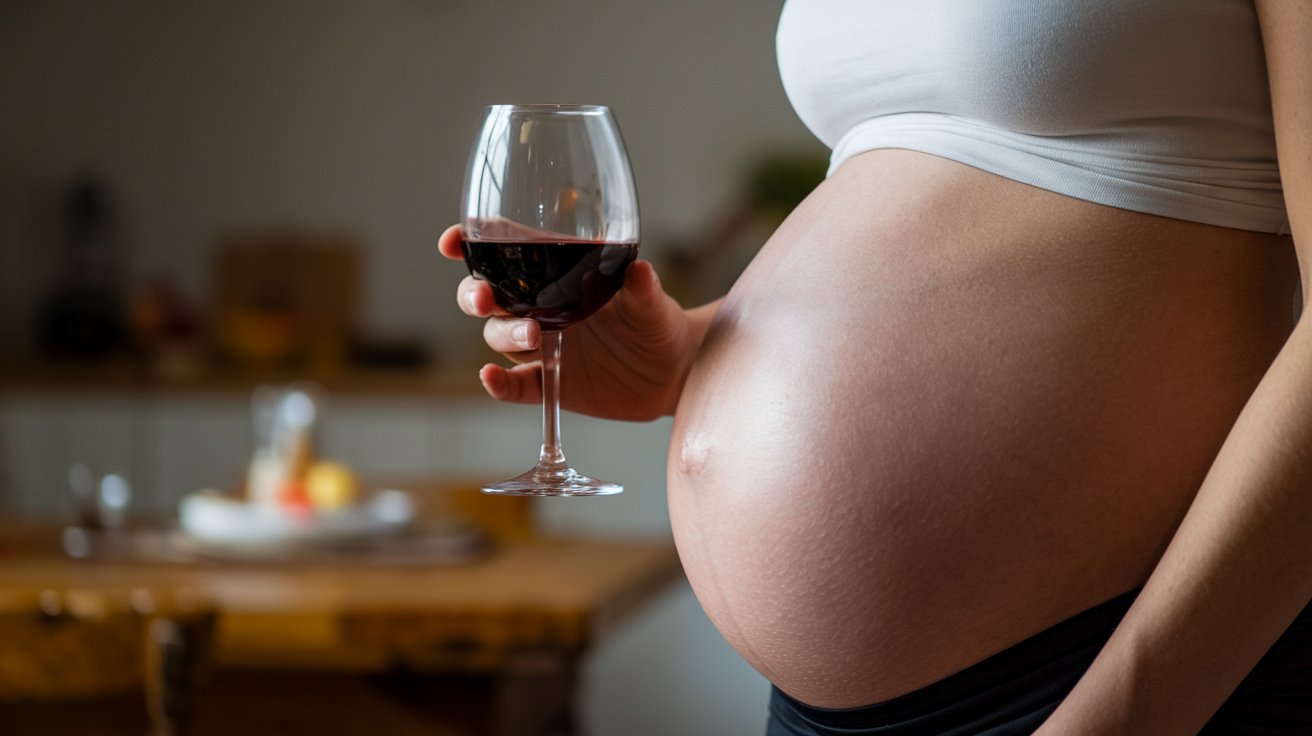
Understanding the effects of alcohol during pregnancy on fetus development is critical for every expectant mother. No amount of alcohol is considered safe during pregnancy, as it crosses the placenta directly to the baby, potentially causing irreversible physical, behavioral, and cognitive damage. This comprehensive guide examines how alcohol consumption impacts fetal development, the risks of fetal alcohol spectrum disorders, and evidence-based strategies to protect your baby’s health throughout pregnancy.
How Alcohol Affects an Unborn Baby
When a pregnant woman consumes alcohol, it passes through the placental barrier within minutes, exposing the developing fetus to the same blood alcohol concentration as the mother. Unlike adults, fetuses cannot metabolize alcohol efficiently because their livers are immature and lack sufficient enzymes. This prolonged exposure disrupts critical developmental processes, particularly during the first trimester when major organs and facial features form. The effects of alcohol during pregnancy on fetus development range from subtle learning disabilities to severe physical malformations.
Research from the Centers for Disease Control and Prevention in 2026 confirms that approximately 1 in 20 pregnant women in the United States report drinking alcohol, with binge drinking particularly dangerous. Even a single episode of heavy drinking can cause significant harm during sensitive developmental windows. The alcohol interferes with cell division, migration, and differentiation, leading to structural abnormalities in the brain, heart, kidneys, and bones. Recent studies demonstrate that no trimester is safe for alcohol consumption during pregnancy, as different organ systems develop throughout all nine months.
Fetal Alcohol Syndrome and Spectrum Disorders
Fetal Alcohol Syndrome (FAS) represents the most severe outcome of prenatal alcohol exposure, characterized by distinct facial abnormalities, growth deficiencies, and central nervous system dysfunction. Children with FAS typically display a smooth philtrum (the groove between nose and upper lip), thin upper lip, and small eye openings. Beyond physical features, these children experience lifelong challenges including intellectual disabilities, behavioral problems, and difficulty with executive functioning. In 2026, approximately 1 in 1000 births in the United States results in FAS, though the broader category of Fetal Alcohol Spectrum Disorders (FASD) affects an estimated 2-5% of school-aged children.
FASD encompasses a range of conditions including partial FAS, alcohol-related neurodevelopmental disorder (ARND), and alcohol-related birth defects (ARBD). Even without obvious physical markers, children exposed to alcohol in the womb may struggle with attention deficits, memory problems, poor judgment, and social difficulties that persist into adulthood. The long term effects of alcohol during pregnancy on fetus development include increased risks of mental health disorders, substance abuse, and legal problems throughout life. No genetic factors protect against these outcomes, making prevention through alcohol abstinence the only reliable strategy.
Risks During Different Pregnancy Stages
The effects of alcohol during pregnancy on fetus development vary depending on the timing and amount of exposure during gestation. Each trimester presents unique vulnerabilities as different organ systems undergo critical developmental phases.
First Trimester Alcohol Exposure
The first 12 weeks of pregnancy represent the most critical period for alcohol-related birth defects. During this time, the baby’s major organs, facial features, and neural tube form rapidly. Alcohol consumption during the first trimester increases the risk of miscarriage by up to 70% compared to non-drinking mothers. Many women worry, I drank alcohol before I knew I was pregnant will my baby be okay, which is a common concern since pregnancy often isn’t confirmed until weeks 4-6. While occasional light drinking before pregnancy awareness typically causes less concern than continued consumption, the safest approach involves stopping immediately upon suspecting pregnancy and consulting healthcare providers.
First trimester exposure particularly affects craniofacial development, explaining the characteristic facial features of Fetal Alcohol Syndrome. The developing brain is exceptionally vulnerable, with alcohol disrupting neuronal migration and synapse formation. Studies from 2026 demonstrate that even moderate drinking (3-4 drinks per week) during this period correlates with measurable cognitive deficits in childhood. The question will alcohol kill a baby in early pregnancy reflects severe concerns, and while a single drink unlikely causes fetal death, repeated exposure significantly increases miscarriage risk and developmental abnormalities.
Second and Third Trimester Concerns
During the second trimester, the fetus experiences rapid brain growth and body development. Alcohol consumption during this period primarily affects brain structure and function rather than physical appearance. Women who accidentally drank alcohol while pregnant second trimester should understand that while major structural defects are less likely than in the first trimester, neurodevelopmental problems remain a significant risk. The developing cerebellum and hippocampus are particularly vulnerable, potentially leading to learning disabilities, coordination problems, and memory deficits.
Third trimester alcohol exposure continues to impact brain development, particularly higher-order cognitive functions and behavioral regulation. The brain undergoes rapid growth during the final months, with billions of neurons forming connections. Drinking during this period, including the notion that one beer while pregnant might be acceptable, can disrupt this process. Current medical consensus in 2026 maintains that no amount of alcohol is safe during pregnancy at any stage. Even light or occasional drinking carries risk, and the potential side effects of alcohol during pregnancy on fetus development justify complete abstinence throughout all three trimesters.
Why Pregnant Women May Crave Alcohol
Some expectant mothers question is it normal for a pregnant woman to crave alcohol, experiencing unexpected desires for wine, beer, or cocktails. These cravings can stem from multiple factors including hormonal changes, psychological associations, and nutritional deficiencies. Pregnancy hormones dramatically alter taste preferences and sensory experiences, sometimes creating desires for substances previously enjoyed. For women who regularly consumed alcohol before pregnancy, the social and relaxation aspects may be deeply missed, manifesting as cravings rather than physical dependency.
Research indicates that alcohol cravings during pregnancy may sometimes signal underlying nutritional needs. Deficiencies in B vitamins, particularly thiamine and folate, can trigger unusual cravings. Similarly, the desire for the bitter taste of beer might indicate magnesium or zinc deficiency. When pregnant women crave alcohol, healthcare providers recommend addressing potential nutritional gaps through proper supplementation and diet. Psychological factors including stress, anxiety, and the desire to escape pregnancy discomforts also contribute. Safe alternatives like non-alcoholic beer, sparkling grape juice, or mocktails can satisfy the sensory desire without exposing the baby to harmful substances.
Common Myths About Drinking During Pregnancy
Numerous misconceptions persist regarding safe alcohol consumption during pregnancy, potentially placing babies at risk. One dangerous myth suggests that red wine during pregnancy benefits the baby through antioxidants like resveratrol. While red wine does contain beneficial compounds, these same nutrients are available from grape juice, berries, and other foods without alcohol’s harmful effects. The risks of prenatal alcohol exposure far outweigh any theoretical benefits from antioxidants. Medical organizations universally recommend complete alcohol avoidance throughout pregnancy.
Another common belief holds that beer or wine in small amounts won’t harm the baby, particularly in later pregnancy. However, no research has established a safe threshold for alcohol during pregnancy. Individual factors including maternal metabolism, genetics, nutrition, and stress levels influence how alcohol affects each pregnancy differently. What might seem like a small amount could occur during a critical developmental window, causing disproportionate harm. The myth that European countries’ relaxed attitudes toward pregnancy drinking prove safety ignores higher rates of undiagnosed FASD in those populations. United States medical guidelines in 2026 remain clear: abstinence is the only risk-free approach.
Medical Treatments and Alcohol Interaction
Pregnant women sometimes require medications that raise concerns about safety and interactions. The question is it safe to take naltrexone while pregnant arises for women with opioid or alcohol use disorders. Naltrexone, an opioid antagonist, falls into FDA pregnancy category C, meaning animal studies show potential risks but human data remains limited. Generally, naltrexone use during pregnancy requires careful risk-benefit analysis by healthcare providers. For women with severe alcohol dependence, the medication might be considered if its benefits outweigh potential fetal risks, though complete alcohol cessation remains the primary goal.
Other medications and substances interact with pregnancy in complex ways. Women should disclose all substance use, including alcohol, to their obstetric care team to receive appropriate monitoring and support. Some women worry whether medications used to treat morning sickness, anxiety, or other pregnancy-related conditions might interact with occasional alcohol consumption. The medical consensus emphasizes that adding alcohol to any medication regimen during pregnancy compounds risks unnecessarily. Healthcare providers can recommend safe treatment alternatives that don’t require balancing multiple risk factors. Comprehensive prenatal care includes screening for substance use and providing resources for women struggling with alcohol dependence.
Strategies to Avoid Alcohol in Pregnancy
Successfully eliminating alcohol during pregnancy requires practical strategies and strong support systems. Women should communicate their pregnancy to friends, family, and social circles early to avoid pressure in drinking situations. Having prepared responses for offers of alcohol helps navigate social events confidently. Simple explanations like medication use, early morning commitments, or simply declining without explanation are all acceptable. Keeping non-alcoholic alternatives readily available at home and requesting them at restaurants makes abstinence easier.
Identifying triggers for alcohol use proves essential for maintaining sobriety throughout pregnancy. If stress, social anxiety, or relaxation rituals previously involved alcohol, developing alternative coping mechanisms becomes critical. Pregnant women can explore prenatal yoga, meditation apps, warm baths, or engaging hobbies to manage stress. Support groups specifically for pregnant women avoiding alcohol provide community and accountability. For those with alcohol dependence, professional treatment programs offer medical supervision, counseling, and evidence-based interventions. The effects of alcohol during pregnancy on fetus development provide powerful motivation, but women shouldn’t hesitate to seek help if maintaining abstinence proves challenging.
Getting Help for Alcohol Use During Pregnancy
Women struggling with alcohol consumption during pregnancy should immediately consult healthcare providers without fear of judgment. Medical professionals prioritize both maternal and fetal health, offering confidential support and evidence-based treatment options. The Substance Abuse and Mental Health Services Administration (SAMHSA) operates a 24/7 helpline (1-800-662-4357) connecting pregnant women with local treatment resources throughout the United States. Early intervention significantly improves outcomes, as stopping alcohol use at any point during pregnancy reduces potential harm compared to continued exposure.
Treatment approaches for pregnant women with alcohol use disorders include behavioral therapy, prenatal care coordination, and sometimes medication-assisted treatment under close medical supervision. Cognitive-behavioral therapy helps identify drinking triggers and develop healthier coping strategies. Support groups like Alcoholics Anonymous offer free, accessible community support, with some meetings specifically for expectant mothers. Residential treatment programs provide intensive support for women with severe dependence, often including prenatal care onsite. Healthcare providers can monitor fetal development more closely when maternal alcohol use is disclosed, allowing early intervention if complications arise. Remember that seeking help demonstrates strength and commitment to the baby’s wellbeing, not weakness or failure.
Long-Term Effects on Child Development
The long term effects of alcohol during pregnancy on fetus development extend far beyond birth, affecting children throughout their lives. Studies tracking children with prenatal alcohol exposure reveal persistent challenges in academic performance, with difficulties in mathematics, reading comprehension, and abstract reasoning appearing frequently. These children often require special education services and struggle with attention and memory tasks. Brain imaging studies in 2026 demonstrate measurable differences in brain structure and connectivity patterns that correlate with prenatal alcohol exposure levels.
Behavioral and social difficulties represent another significant long-term consequence of prenatal alcohol exposure. Children may display impulsivity, poor social judgment, and difficulty understanding consequences, leading to increased disciplinary problems and peer relationship challenges. Adolescents with FASD face elevated risks for mental health disorders including depression, anxiety, and oppositional defiant disorder. The lifetime costs of caring for individuals with FASD exceed several million dollars per person when accounting for medical care, special education, and lost productivity. These sobering statistics underscore why complete alcohol avoidance during pregnancy remains the only recommendation from medical authorities.
Partner and Family Support Strategies
Supporting a pregnant woman in maintaining alcohol abstinence requires active participation from partners, family members, and close friends. Partners can demonstrate solidarity by also avoiding alcohol throughout the pregnancy, eliminating temptation and showing shared commitment to the baby’s health. This approach also prevents situations where the pregnant woman feels isolated or different during social occasions. Family gatherings should offer appealing non-alcoholic beverage options and avoid pressuring the expectant mother to explain her choices repeatedly.
Creating an alcohol-free home environment significantly supports abstinence efforts. Removing alcohol from the house eliminates daily temptation and demonstrates the family’s unified commitment. Partners should educate themselves about the effects of alcohol during pregnancy on fetus development to better understand the importance of this sacrifice. When social situations involving alcohol arise, having an exit strategy or attending events together allows the pregnant woman to leave comfortably if needed. Family members can also help identify and address underlying stressors that might trigger alcohol cravings, whether through practical assistance with household tasks or emotional support during pregnancy challenges.
Nutrition and Healthy Pregnancy Alternatives
Replacing alcohol with nutritious alternatives supports both maternal health and fetal development throughout pregnancy. Women who previously enjoyed wine with dinner can substitute sparkling water with fruit, herbal teas, or specially crafted non-alcoholic wines that provide similar sensory experiences without risks. The ritual and relaxation aspects of having a beverage in the evening can be preserved while protecting the baby from harm. Ensuring adequate nutrition becomes particularly important, as deficiencies may intensify cravings or pregnancy discomforts.
Specific nutrients deserve attention during pregnancy, particularly those that alcohol consumption would deplete or interfere with. Folate supplementation (400-800 mcg daily) prevents neural tube defects and supports healthy brain development. Omega-3 fatty acids from fish oil or algae supplements promote cognitive development without alcohol’s neurotoxic effects. Magnesium-rich foods like leafy greens, nuts, and whole grains may reduce stress and improve sleep quality, addressing common reasons women previously used alcohol. Staying well-hydrated with water, herbal teas, and natural fruit juices supports the increased blood volume of pregnancy while providing essential vitamins. Consulting with a registered dietitian ensures personalized nutrition plans that optimize maternal and fetal health throughout all three trimesters.
Related video about effects of alcohol during pregnancy on fetus
This video complements the article information with a practical visual demonstration.
What you should know
How can alcohol affect a baby in the womb?
Alcohol crosses the placenta directly to the baby, exposing the developing fetus to the same blood alcohol concentration as the mother. Since fetal livers cannot efficiently metabolize alcohol, exposure lasts longer and disrupts critical developmental processes. The effects include physical abnormalities like facial malformations, growth restrictions, organ defects, and particularly severe brain damage affecting cognitive function, behavior, and learning abilities. These impacts range from subtle learning disabilities to severe fetal alcohol syndrome, with consequences lasting throughout the child’s life. No amount of alcohol is considered safe during pregnancy, as even small amounts can occur during critical developmental windows.
Is it normal for a pregnant woman to crave alcohol?
Yes, some pregnant women experience alcohol cravings due to hormonal changes, psychological associations, or nutritional deficiencies. Pregnancy hormones alter taste preferences and sensory experiences, sometimes creating desires for previously enjoyed substances. Women who regularly consumed alcohol before pregnancy may miss the social and relaxation aspects, manifesting as cravings rather than physical dependency. Cravings might also signal deficiencies in B vitamins, magnesium, or zinc. Healthcare providers recommend addressing potential nutritional gaps through supplementation and diet, while using safe alternatives like non-alcoholic beer or mocktails to satisfy sensory desires without exposing the baby to harmful substances.
I drank alcohol before I knew I was pregnant will my baby be okay?
Many women consume alcohol before confirming pregnancy, typically during weeks 3-5 of gestation. While this situation causes understandable concern, occasional light drinking before pregnancy awareness generally presents less risk than continued consumption after confirmation. The most critical action is stopping alcohol immediately upon suspecting pregnancy and consulting your healthcare provider for proper monitoring. Your doctor can assess individual risk factors and provide appropriate prenatal screening. Most babies whose mothers consumed small amounts of alcohol very early in pregnancy develop normally, but the safest approach involves complete abstinence once pregnancy is suspected or confirmed, as no amount of alcohol is proven safe.
Is it safe to drink one beer while pregnant in the second trimester?
No, medical organizations universally recommend complete alcohol abstinence throughout all pregnancy stages, including the second trimester. While major structural defects are less likely after the first trimester, the developing brain remains extremely vulnerable to alcohol throughout pregnancy. Even one beer contains enough alcohol to potentially disrupt neuronal development, affecting learning abilities, memory, and behavioral regulation. No research has established a safe threshold for alcohol consumption during pregnancy, as individual factors like maternal metabolism, genetics, and nutrition influence how alcohol affects each pregnancy differently. The only risk-free approach is complete avoidance of all alcoholic beverages throughout the entire pregnancy.
What is fetal alcohol syndrome and how common is it?
Fetal alcohol syndrome (FAS) represents the most severe outcome of prenatal alcohol exposure, characterized by distinct facial abnormalities (smooth philtrum, thin upper lip, small eye openings), growth deficiencies, and central nervous system dysfunction. Children with FAS experience lifelong challenges including intellectual disabilities, behavioral problems, and executive functioning difficulties. In 2026, approximately 1 in 1,000 births in the United States results in FAS, while the broader category of fetal alcohol spectrum disorders (FASD) affects an estimated 2-5% of school-aged children. FASD includes partial FAS and neurodevelopmental disorders without obvious physical markers. Prevention through complete alcohol abstinence during pregnancy is the only reliable strategy.
Where can pregnant women get help for alcohol use?
Pregnant women struggling with alcohol use should immediately consult their healthcare providers for confidential support and evidence-based treatment. The Substance Abuse and Mental Health Services Administration (SAMHSA) operates a 24/7 national helpline at 1-800-662-4357, connecting women with local treatment resources throughout the United States. Treatment options include behavioral therapy, prenatal care coordination, support groups like Alcoholics Anonymous, and residential treatment programs for severe dependence. Healthcare providers prioritize both maternal and fetal health without judgment, offering medical supervision and monitoring. Early intervention significantly improves outcomes, and seeking help demonstrates commitment to the baby’s wellbeing. Many communities offer specialized programs for pregnant women with substance use disorders.
| Key Aspect | Important Details | Protective Benefit |
|---|---|---|
| Complete Abstinence | No amount of alcohol is safe during any trimester of pregnancy | Eliminates all risk of fetal alcohol spectrum disorders and developmental abnormalities |
| Early Cessation | Stopping alcohol use at any point reduces harm compared to continued exposure | Minimizes long-term cognitive, behavioral, and physical effects on the child |
| Professional Support | SAMHSA helpline (1-800-662-4357) provides 24/7 access to treatment resources | Evidence-based treatment improves maternal health and fetal outcomes significantly |
| Partner Involvement | Creating alcohol-free environments and practicing solidarity supports abstinence | Increases success rates for maintaining sobriety throughout pregnancy |
| Nutritional Support | Proper supplementation with folate, omega-3s, and addressing deficiencies | Optimizes fetal brain development and reduces pregnancy complications |