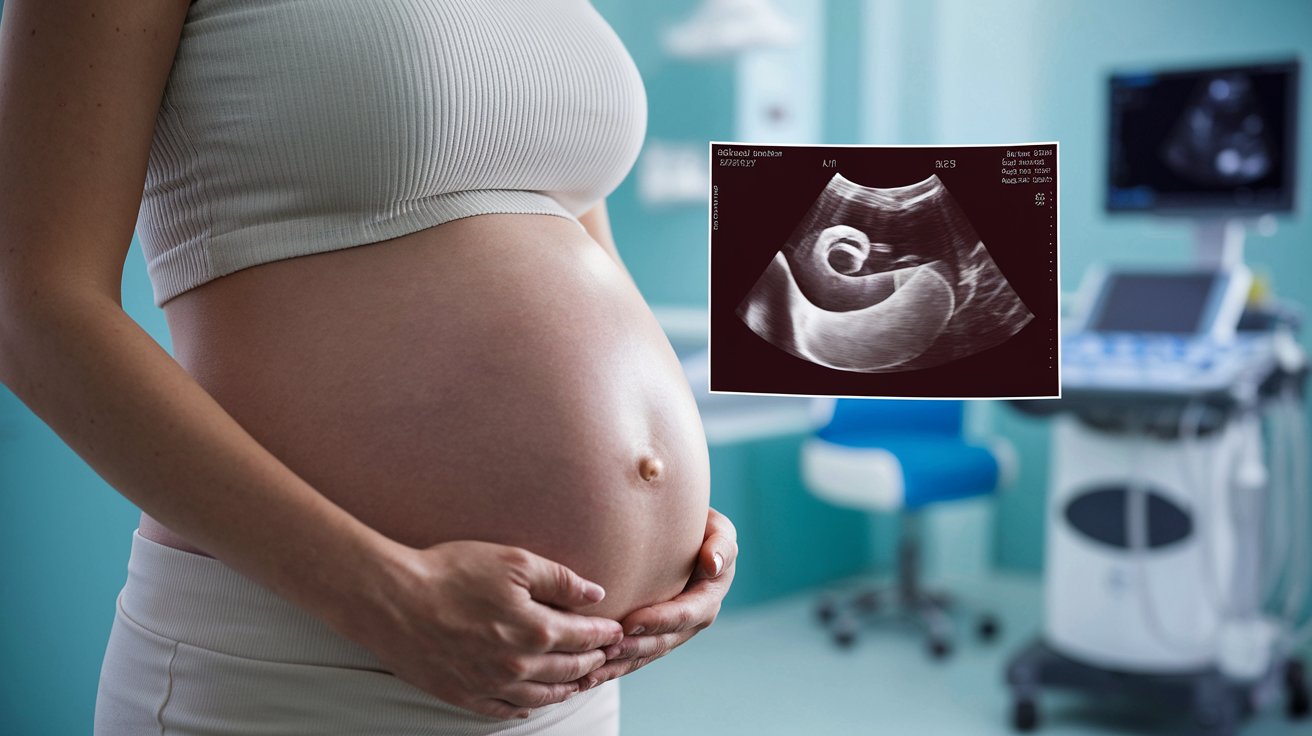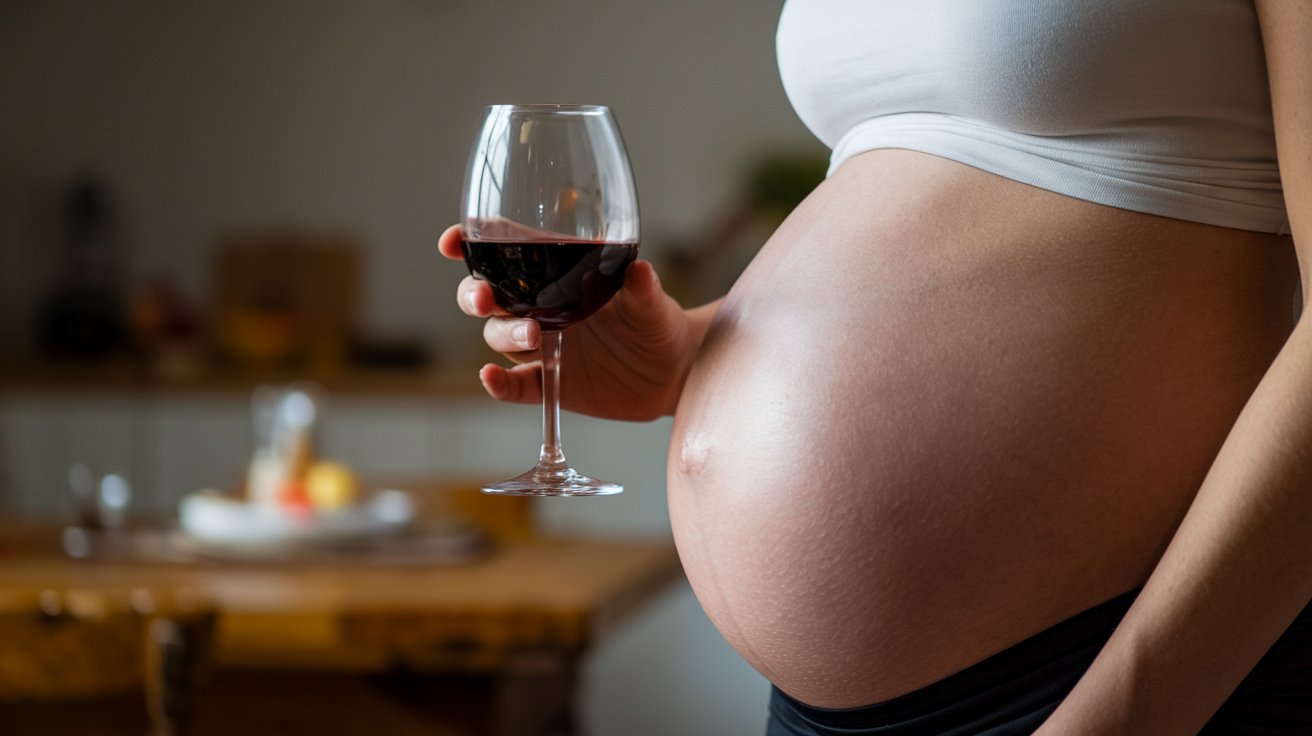
Understanding how alcohol affects a baby during pregnancy is crucial for every expectant mother in the United States. When you consume alcohol during pregnancy, it passes directly through the placenta to your developing baby, potentially causing lifelong physical, behavioral, and cognitive disabilities. No amount of alcohol has been proven safe during pregnancy, and exposure at any stage can result in Fetal Alcohol Spectrum Disorders (FASD), which affect approximately 1 in 20 U.S. schoolchildren in 2026 according to the Centers for Disease Control and Prevention.
What Happens to Your Baby When You Drink Alcohol While Pregnant
When a pregnant woman consumes alcohol, it enters her bloodstream and crosses the placental barrier within minutes, reaching the same concentration in the baby’s blood as in the mother’s. Unlike adults, a developing fetus cannot process alcohol effectively because the liver and other organs are still forming. The alcohol remains in the baby’s system much longer, causing damage to developing cells and tissues throughout the body.
The fetal brain is particularly vulnerable to alcohol exposure, as neurons and neural connections form rapidly throughout pregnancy. Alcohol disrupts this critical process, killing brain cells and interfering with neurotransmitter production. Studies from 2026 show that even moderate drinking can reduce brain volume and alter the structure of the corpus callosum, which connects the brain’s hemispheres. Physical abnormalities often include distinctive facial features such as a smooth philtrum, thin upper lip, and small eye openings, along with growth deficiencies and heart defects.
How Alcohol Affects Baby Development by Trimester
The impact of alcohol during pregnancy varies by trimester, though no stage is safe for drinking. Each developmental phase presents unique vulnerabilities, and the timing of exposure determines which organs and systems sustain the most damage.
First Trimester Alcohol Exposure Risks
The first trimester is the most critical period for fetal development, when major organs and body systems begin forming. Drinking alcohol during weeks 3-8 of pregnancy poses the highest risk for physical birth defects. Many women don’t realize they’re pregnant during this time, making accidental exposure common. Research from 2026 indicates that even one glass of wine per week during the first trimester can increase the risk of miscarriage by 30% and significantly raise the likelihood of facial abnormalities associated with FASD.
During this phase, alcohol interferes with cell differentiation and migration, preventing cells from reaching their intended locations in the developing embryo. The heart begins beating at week 5, and alcohol exposure can cause septal defects, valve abnormalities, and other cardiac malformations. Neural tube development, which forms the brain and spinal cord, is also highly susceptible to alcohol damage during these early weeks, potentially resulting in intellectual disabilities and learning disorders.
Second Trimester Effects on the Baby
The second trimester focuses on growth and functional development of organs that formed during the first three months. While some parents believe drinking becomes safer after the first trimester, this is a dangerous misconception. The baby’s brain continues developing rapidly, with neurons multiplying and forming complex connections. Alcohol consumption during this period can cause permanent cognitive impairments, including reduced IQ, memory problems, and difficulty with executive function skills like planning and decision-making.
If you accidentally drank alcohol while pregnant during the second trimester, inform your healthcare provider immediately. They can monitor your baby’s growth through ultrasounds and recommend additional screenings. Second-trimester exposure particularly affects the developing cerebellum and hippocampus, brain regions responsible for coordination, balance, learning, and memory. Studies show that babies exposed to alcohol during months 4-6 often experience delays in reaching developmental milestones after birth.
Third Trimester Alcohol Impact
Understanding how alcohol affects a baby during pregnancy third trimester is essential, as this period involves rapid brain growth and weight gain. The baby’s brain increases in size by 260% during the final three months, making it highly vulnerable to alcohol’s toxic effects. Heavy drinking during the third trimester can cause microcephaly, a condition where the baby’s head and brain are abnormally small, leading to severe developmental delays.
Third-trimester exposure particularly damages the hippocampus and prefrontal cortex, resulting in lifelong problems with learning, attention, impulse control, and emotional regulation. Binge drinking episodes during this phase are especially harmful, as they subject the baby to high alcohol concentrations for extended periods. Even moderate consumption can reduce birth weight and increase the risk of premature delivery, both associated with higher infant mortality rates and long-term health complications.
Understanding Fetal Alcohol Spectrum Disorders
Fetal Alcohol Spectrum Disorders (FASD) is an umbrella term describing the range of effects that can occur in babies exposed to alcohol before birth. FASD represents the leading preventable cause of birth defects and developmental disabilities in the United States, affecting more children than autism, Down syndrome, and cerebral palsy combined. In 2026, the CDC estimates that FASD costs the U.S. economy over $6 billion annually in medical care, special education, and lost productivity.
The spectrum includes several diagnoses: Fetal Alcohol Syndrome (FAS) is the most severe form, characterized by facial abnormalities, growth deficiencies, and central nervous system dysfunction. Partial FAS involves some but not all classic features. Alcohol-Related Neurodevelopmental Disorder (ARND) describes children with cognitive and behavioral problems without physical abnormalities, while Alcohol-Related Birth Defects (ARBD) refers to physical malformations of organs. Children with FASD often struggle with hyperactivity, poor impulse control, difficulty understanding consequences, and challenges maintaining friendships throughout their lives.
Will Alcohol Kill a Baby in Early Pregnancy
Many women search for answers about whether alcohol will kill a baby in early pregnancy, reflecting understandable anxiety about potential exposure. While not every alcohol exposure results in fetal death, drinking during early pregnancy significantly increases miscarriage risk. Studies published in 2026 show that consuming 4 or more drinks per week during the first trimester raises miscarriage risk by 40-70%, depending on the amount and frequency of consumption.
Early pregnancy loss can occur because alcohol interferes with implantation and placental development, depriving the embryo of necessary nutrients and oxygen. Even if the pregnancy continues, the damage to developing cells may be irreversible. The embryo is most vulnerable during the first 8 weeks after conception, when cell division and organ formation occur at their fastest pace. Rather than focusing on whether alcohol might cause fetal death, expectant mothers should understand that any alcohol consumption poses unnecessary risks to their baby’s lifelong health and development.
How Early in Pregnancy Does Alcohol Affect the Baby
Understanding how early in pregnancy alcohol affects the baby helps women make informed decisions about drinking. Alcohol can harm a developing baby from the moment of conception, as the fertilized egg begins dividing and differentiating into specialized cells immediately. During the first two weeks after conception, before many women realize they’re pregnant, alcohol exposure can prevent proper implantation or cause spontaneous abortion through an all-or-nothing effect.
After implantation (around day 6-12 post-conception), the embryo becomes increasingly vulnerable as organogenesis begins. The heart starts forming around day 18, the neural tube closes by week 4, and facial features develop during weeks 4-10. Alcohol consumed during these critical windows causes specific malformations depending on what structures are forming at the time of exposure. This is why there is no safe time to drink during pregnancy. The American College of Obstetricians and Gynecologists maintains that complete abstinence from alcohol is the only way to eliminate risk to your baby.
I Drank Alcohol Before I Knew I Was Pregnant
One of the most common concerns is I drank alcohol before I knew I was pregnant will my baby be okay. Approximately 50% of U.S. pregnancies are unplanned, and many women consume alcohol before discovering they’re expecting. If you drank during the early weeks before a positive pregnancy test, inform your healthcare provider immediately but try not to panic. A single drinking episode before pregnancy confirmation rarely causes FASD, though risk increases with the amount consumed and frequency of drinking.
The important step is to stop drinking immediately once you learn you’re pregnant. Every day of alcohol abstinence reduces potential harm to your developing baby. Your obstetrician can provide additional monitoring through detailed ultrasounds and may recommend genetic counseling if you’re particularly concerned. Focus on optimizing your health moving forward by taking prenatal vitamins with folic acid, eating nutritious foods, avoiding other harmful substances, and attending all prenatal appointments. Remember that guilt and stress don’t help your baby, but positive actions from this point forward certainly can.
Is It Safe to Drink One Beer While Pregnant
Many pregnant women wonder is it safe to drink one beer while pregnant, hoping for reassurance that occasional drinking poses minimal risk. The unequivocal answer from medical experts in 2026 is no—there is no proven safe amount of alcohol during pregnancy, and this includes beer, wine, and liquor. While one beer contains less absolute alcohol than a cocktail, it still delivers ethanol directly to your baby’s developing organs and brain.
The problem is that no research can ethically test safe alcohol limits during human pregnancy, so scientists cannot identify a threshold below which no harm occurs. Individual factors affect how alcohol impacts each pregnancy: maternal metabolism, genetics, nutrition, stress levels, and the baby’s genetic susceptibility to alcohol all play roles. What might cause severe damage in one pregnancy could potentially cause less obvious harm in another, but you cannot predict your baby’s vulnerability. The Surgeon General’s warning remains clear: pregnant women should not drink alcohol at all, period. The temporary pleasure of one beer is never worth risking your child’s lifelong health and cognitive abilities.
Can Alcoholic Mothers Have Healthy Babies
Women struggling with alcohol dependence often ask can alcoholic mothers have healthy babies, reflecting both hope and fear about their pregnancy outcomes. The reality is that chronic heavy drinking during pregnancy significantly increases the risk of FASD and other complications, but seeking help immediately improves the chances for a healthier baby. Treatment programs specifically designed for pregnant women with substance use disorders have shown remarkable success in reducing harm.
If you’re dealing with alcohol use disorder and discover you’re pregnant, contact your healthcare provider, addiction specialist, or the Substance Abuse and Mental Health Services Administration hotline (1-800-662-4357) without delay. Medical supervision is essential because sudden alcohol withdrawal can be dangerous during pregnancy. Doctors can provide safe detoxification, prescribe appropriate medications, and connect you with prenatal care and support services. Women who stop drinking early in pregnancy, even after heavy use, give their babies significantly better outcomes than those who continue drinking throughout gestation. Recovery is possible, and numerous support systems exist specifically for expectant mothers in the United States.
How to Avoid Alcohol During Pregnancy
Successfully avoiding alcohol during pregnancy requires planning, support, and strategy, especially for women who previously enjoyed drinking socially. Start by removing all alcohol from your home to eliminate temptation during vulnerable moments. Inform close friends and family about your pregnancy early so they can support your abstinence rather than offering you drinks at social gatherings.
Develop coping mechanisms for social situations where alcohol is present. Arrive at events with a non-alcoholic beverage already in hand, such as sparkling water with lime, which resembles a cocktail and prevents well-meaning offers. Practice polite but firm responses to questions about why you’re not drinking—you can simply say you’re the designated driver or taking a break from alcohol without revealing your pregnancy if you prefer privacy. Many women find that mocktail recipes help satisfy the ritual of having a special drink without the alcohol. Consider joining pregnancy support groups where you’ll meet other expectant mothers committed to alcohol-free pregnancies, providing encouragement during challenging moments.
Medical Recommendations for Alcohol and Pregnancy
Major medical organizations in the United States maintain unanimous positions on alcohol consumption during pregnancy. The American College of Obstetricians and Gynecologists, American Academy of Pediatrics, Centers for Disease Control and Prevention, and the U.S. Surgeon General all recommend complete abstinence from alcohol throughout pregnancy and while trying to conceive. These guidelines were reaffirmed in 2026 based on accumulating evidence about alcohol’s harmful effects at all stages of fetal development.
Healthcare providers screen for alcohol use at prenatal appointments using validated tools like the T-ACE or AUDIT-C questionnaires. Honest disclosure helps your doctor provide appropriate monitoring and support without judgment. If you’re planning to become pregnant, experts recommend stopping alcohol consumption at least three months before attempting conception, as alcohol can affect egg quality and early embryonic development. For women with risk factors such as advanced maternal age, diabetes, or previous pregnancy complications, avoiding alcohol becomes even more critical as these conditions already increase pregnancy risks. Your obstetrician can provide personalized guidance based on your complete health history.
Long-Term Effects on Children Exposed to Alcohol
The consequences of prenatal alcohol exposure extend far beyond birth, affecting children throughout their lives. Physical effects may include distinctive facial features, small head circumference, low birth weight, and organ defects involving the heart, kidneys, or bones. Growth deficiencies often persist, with affected children remaining smaller than their peers throughout childhood and adolescence.
Cognitive and behavioral challenges emerge as children reach school age and face increasing academic and social demands. Common difficulties include attention deficit hyperactivity disorder, learning disabilities particularly in mathematics, poor memory and executive function, difficulty understanding cause and effect, and problems with abstract thinking. Social impairments manifest as trouble reading social cues, inappropriate behavior, vulnerability to peer influence, and difficulty maintaining friendships. Adolescents with FASD face higher rates of school dropout, legal problems, substance abuse, and mental health disorders including depression and anxiety. Early diagnosis and intervention through specialized education plans, behavioral therapy, and family support significantly improve outcomes, but prevention through pregnancy abstinence remains the most effective strategy for protecting children from these lifelong challenges.
Related video about how does alcohol affect a baby during pregnancy
This video complements the article information with a practical visual demonstration.
What you should know
What happens to your baby if you drink alcohol while pregnant?
When you drink alcohol during pregnancy, it passes directly through the placenta to your baby within minutes, reaching the same blood alcohol concentration as in your bloodstream. Your baby cannot metabolize alcohol effectively because the liver is still developing, so the alcohol remains in the baby’s system longer, damaging developing brain cells, interfering with organ formation, and potentially causing Fetal Alcohol Spectrum Disorders. This can result in lifelong physical abnormalities, intellectual disabilities, behavioral problems, learning difficulties, and social impairments that persist into adulthood.
At what point is a fetus affected by alcohol?
A fetus can be affected by alcohol from the moment of conception onward, as alcohol interferes with cell division and implantation immediately after fertilization. The most critical period is during the first trimester when major organs form, particularly weeks 3-8 when facial features, the heart, and the neural tube develop. However, the brain continues developing throughout all nine months of pregnancy, making every stage vulnerable to alcohol’s harmful effects. There is no safe time during pregnancy to consume alcohol, which is why complete abstinence is recommended from conception through delivery.
Can alcoholic mothers have healthy babies?
While chronic heavy drinking significantly increases risks of Fetal Alcohol Spectrum Disorders and complications, mothers struggling with alcohol use disorder who seek help early in pregnancy can improve their baby’s outcomes. Medical supervision is essential for safe detoxification, as sudden alcohol withdrawal can be dangerous during pregnancy. Women who stop drinking early in pregnancy, even after periods of heavy use, give their babies substantially better chances for healthy development compared to continued drinking throughout gestation. Comprehensive treatment including prenatal care, addiction therapy, and support services significantly improves outcomes for both mother and baby.
Is it safe to drink one beer while pregnant in the first trimester?
No, it is not safe to drink even one beer during the first trimester or any stage of pregnancy. All major medical organizations including the American College of Obstetricians and Gynecologists, CDC, and U.S. Surgeon General recommend complete alcohol abstinence during pregnancy because no safe amount has been established. The first trimester is particularly critical as major organs form during weeks 3-8, and even small amounts of alcohol can cause birth defects, increase miscarriage risk by up to 30%, and damage the developing brain. Individual factors like genetics and metabolism make it impossible to predict safe levels, so abstinence is the only way to eliminate risk.
I drank alcohol before I knew I was pregnant will my baby be okay?
If you drank alcohol before discovering your pregnancy, inform your healthcare provider but try not to panic. Many pregnancies are unplanned, and drinking during early weeks before a positive test is common. A single drinking episode before pregnancy confirmation rarely causes Fetal Alcohol Spectrum Disorders, though risk increases with amount and frequency. The crucial step is stopping all alcohol consumption immediately upon learning you’re pregnant. Your doctor can provide additional monitoring through detailed ultrasounds and recommend steps to optimize your baby’s health. Focus on healthy behaviors moving forward including prenatal vitamins, good nutrition, and attending all prenatal appointments.
How does alcohol affect a baby during pregnancy third trimester?
During the third trimester, alcohol particularly damages rapid brain growth as the baby’s brain increases in size by 260% during the final three months. Heavy drinking can cause microcephaly where the baby’s head and brain are abnormally small, leading to severe developmental delays. Third-trimester exposure especially affects the hippocampus and prefrontal cortex, resulting in lifelong problems with learning, memory, attention, impulse control, and emotional regulation. Even moderate consumption reduces birth weight and increases premature delivery risk. Binge drinking during this phase is especially harmful as it subjects the baby to high alcohol concentrations for extended periods.
| Pregnancy Stage | Alcohol Impact on Baby | Prevention Benefit |
|---|---|---|
| First Trimester (Weeks 1-12) | Major organ formation including heart, brain, and facial features; highest risk for physical birth defects and miscarriage; 30% increased miscarriage risk with weekly drinking | Complete abstinence prevents facial abnormalities, heart defects, neural tube defects, and significantly reduces miscarriage risk |
| Second Trimester (Weeks 13-27) | Rapid brain development with neuron multiplication; damage to cerebellum and hippocampus causes cognitive impairments, memory problems, and learning disabilities | Avoiding alcohol protects intellectual development, normal IQ, executive function skills, and developmental milestone achievement |
| Third Trimester (Weeks 28-40) | Brain increases 260% in size; exposure causes microcephaly, reduced birth weight, premature delivery, and damages prefrontal cortex affecting impulse control and emotional regulation | Abstinence ensures normal brain growth, healthy birth weight, full-term delivery, and proper emotional and behavioral development |
| Throughout Pregnancy | Continuous risk of Fetal Alcohol Spectrum Disorders affecting 1 in 20 U.S. children; lifelong physical, cognitive, behavioral, and social impairments costing $6 billion annually | Zero alcohol consumption completely eliminates FASD risk, protecting child’s lifelong health, learning ability, and quality of life |