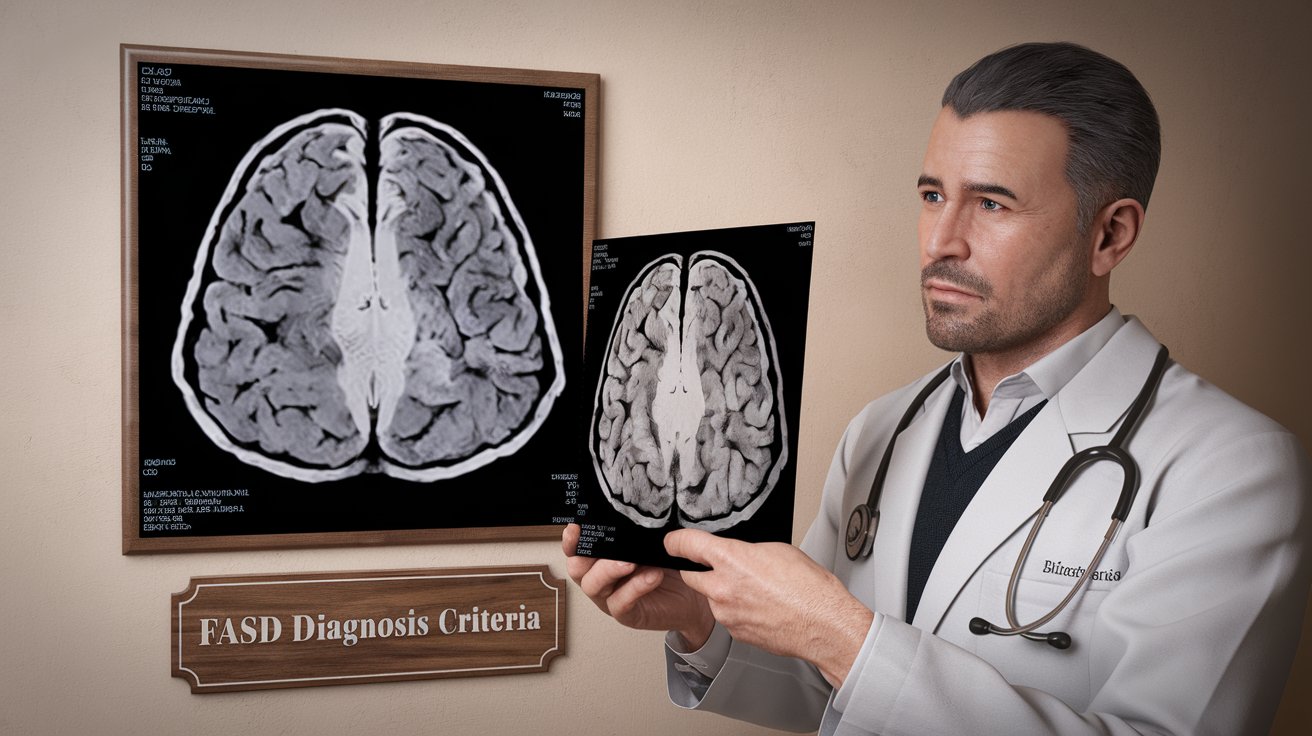
Fetal alcohol syndrome (FAS) is legally recognized as a disability in the United States under multiple federal laws, including the Americans with Disabilities Act (ADA) and the Individuals with Disabilities Education Act (IDEA). This classification means individuals with fetal alcohol syndrome qualify for disability benefits, educational accommodations, and workplace protections. Understanding this designation is crucial for families navigating healthcare, education, and legal systems in 2026.
Understanding Fetal Alcohol Syndrome as a Recognized Disability
Fetal alcohol syndrome meets the legal definition of a disability because it causes substantial limitations in one or more major life activities. The condition results from prenatal alcohol exposure and produces permanent brain damage affecting cognitive function, behavior, and physical development. In 2026, approximately 119,000 children are born with FASD annually in the United States, representing nearly 3% of all births according to Centers for Disease Control data.
The disability classification encompasses both physical and mental impairments. Federal agencies recognize that fetal alcohol syndrome creates barriers to learning, working, and performing daily activities without assistance or accommodation. This recognition extends to all conditions along the fetal alcohol spectrum disorders continuum, though FAS represents the most severe manifestation with distinct fetal alcohol syndrome face characteristics and neurological deficits.
Federal Disability Laws Covering Fetal Alcohol Syndrome
Multiple federal statutes provide disability protections for people with fetal alcohol syndrome. The Americans with Disabilities Act prohibits discrimination in employment, public services, and public accommodations for individuals with FASD. The Rehabilitation Act Section 504 ensures access to federally funded programs, while IDEA guarantees appropriate special education services from ages 3-21 for eligible children.
Social Security Administration programs also recognize fetal alcohol syndrome as a qualifying condition for disability benefits. Children with FAS may qualify for Supplemental Security Income (SSI) based on functional limitations, while adults can apply for Social Security Disability Insurance (SSDI) if work history requirements are met. In 2026, approximately 42% of individuals with documented FASD receive some form of federal disability assistance according to National Organization on Fetal Alcohol Syndrome data.
Physical and Cognitive Characteristics of FAS
The distinctive fetal alcohol syndrome face includes specific physical markers that aid diagnosis: smooth philtrum (the vertical groove between nose and upper lip), thin upper lip, and small eye openings (short palpebral fissures). These facial features, combined with growth deficiencies and central nervous system abnormalities, form the diagnostic triad. However, many individuals with FASD lack obvious facial characteristics while still experiencing significant cognitive and behavioral impairments.
Brain imaging studies in 2026 reveal that prenatal alcohol exposure causes structural abnormalities in the corpus callosum, cerebellum, and basal ganglia. These changes produce deficits in executive function, memory, attention, and impulse control. Approximately 90% of individuals with fetal alcohol syndrome score below average on standardized IQ tests, with average scores ranging from 65-75. The mental disabilities associated with FAS persist throughout life, though early intervention significantly improves functional outcomes.
Fetal Alcohol Syndrome Symptoms in Children
Childhood symptoms of fetal alcohol syndrome extend far beyond physical appearance. Learning disabilities affect 75-80% of children with FASD, particularly in mathematics, reading comprehension, and abstract reasoning. Attention deficit hyperactivity disorder (ADHD) co-occurs in approximately 60% of cases, complicating educational planning and requiring comprehensive assessment to distinguish primary FAS effects from secondary conditions.
Social skills deficits represent another hallmark of the condition. Children with fetal alcohol syndrome often struggle with understanding social cues, maintaining appropriate boundaries, and forming peer relationships. These challenges intensify during adolescence when social demands increase. Speech and language delays affect approximately 70% of children with FAS, requiring specialized therapy services. Motor coordination problems manifest as difficulty with fine motor tasks like handwriting and gross motor activities including sports participation.
Fetal Alcohol Syndrome Symptoms in Adults
Fetal alcohol syndrome symptoms in adults evolve but rarely disappear completely. Adults with FASD experience higher rates of mental health disorders including depression (affecting 52%), anxiety disorders (43%), and substance use disorders (46%) compared to the general population. These secondary conditions often emerge during late adolescence and young adulthood, requiring ongoing psychiatric treatment and support services throughout life.
Employment challenges significantly impact adults with fetal alcohol syndrome. Studies indicate that only 31% of adults with FAS maintain competitive employment without substantial workplace accommodations. Executive function deficits make job tasks requiring planning, time management, and independent decision-making particularly difficult. However, with appropriate accommodations and supportive work environments, many people with fetal alcohol syndrome successfully maintain employment in structured roles with clear expectations and regular supervision.
Common Fetal Alcohol Syndrome Behaviors
Fetal alcohol syndrome behavior patterns reflect underlying brain damage rather than willful misconduct. Impulsivity represents the most frequently reported behavioral challenge, affecting decision-making across all life domains. Individuals with FASD often act without considering consequences, leading to safety concerns, legal problems, and relationship difficulties. This impulsivity stems from prefrontal cortex abnormalities documented in neuroimaging research conducted through 2026.
Emotional regulation difficulties cause rapid mood shifts and intense reactions to minor frustrations. People with fetal alcohol syndrome frequently experience emotional outbursts that seem disproportionate to triggering events. Difficulty reading social situations leads to inappropriate responses and misunderstandings. These behaviors of FASD require behavioral interventions, environmental modifications, and sometimes medication management. Structure, routine, and clear expectations help minimize problematic behaviors while maximizing functional success.
Diagnostic Process and Testing for FASD
Comprehensive fetal alcohol syndrome test procedures require multidisciplinary evaluation by specialists trained in prenatal alcohol exposure effects. No single laboratory test confirms FAS diagnosis; instead, clinicians use standardized assessment protocols examining growth parameters, facial features, and neurodevelopmental function. The University of Washington 4-Digit Diagnostic Code, updated in 2024, provides the most widely used diagnostic framework in the United States.
Diagnostic evaluation includes detailed maternal interview regarding pregnancy alcohol consumption, though lack of confirmed exposure history does not preclude diagnosis when clinical features are present. Physical examination measures height, weight, and head circumference while documenting characteristic facial features through standardized photography. Neurocognitive testing assesses IQ, academic achievement, memory, attention, executive function, and adaptive behavior. Complete evaluation typically requires 6-8 hours across multiple sessions and costs between $3,000-$5,000 without insurance coverage in 2026.
Educational Rights and Accommodations
Students with fetal alcohol syndrome qualify for special education services under IDEA when the disability adversely affects educational performance. Most receive services under categories including Other Health Impairment, Intellectual Disability, or Multiple Disabilities depending on individual presentation. Individualized Education Programs (IEPs) must address specific deficits in cognitive processing, behavioral regulation, and adaptive functioning documented through comprehensive evaluation.
Effective educational accommodations for FASD include reduced class size, shortened assignments, extended time for task completion, preferential seating, and frequent breaks. Visual supports, concrete examples, and hands-on learning activities maximize comprehension for students with fetal alcohol syndrome. Behavioral intervention plans address impulsivity, emotional regulation, and social skills deficits. In 2026, approximately 68% of students with diagnosed FAS receive special education services, though many remain unidentified and struggle without appropriate support.
Life Expectancy and Long-Term Prognosis
Research addressing whether people with fetal alcohol syndrome live long reveals concerning mortality data. Life expectancy for individuals with FAS averages 34 years according to longitudinal studies published through 2025, significantly lower than the general population average of 78.9 years. Premature death results from multiple factors including suicide, accidents, substance abuse complications, and vulnerability to victimization rather than direct medical complications of the syndrome itself.
However, these statistics reflect historical cohorts who lacked early intervention and ongoing support services. Individuals with FASD receiving comprehensive services including stable housing, case management, and mental health treatment demonstrate substantially improved outcomes. Protective factors extending lifespan include early diagnosis before age 6, stable nurturing home environment, absence of violence exposure, and qualification for disability services providing financial and practical support throughout life. With optimal intervention, many adults with fetal alcohol syndrome now survive into their 50s and 60s.
Available Treatment and Intervention Approaches
Fetal alcohol syndrome treatment focuses on managing symptoms and maximizing functional abilities since no cure exists for the underlying brain damage. Early intervention services for infants and toddlers address developmental delays in motor skills, language, and cognition. These programs, mandated under IDEA Part C, provide crucial foundation for later learning. Occupational therapy, physical therapy, and speech-language therapy constitute core treatment components for young children with FAS.
Medication management addresses co-occurring conditions including ADHD, anxiety, depression, and sleep disturbances affecting 70-80% of individuals with FASD. Stimulant medications improve attention and impulse control in approximately 60% of children with fetal alcohol syndrome and comorbid ADHD. Behavioral interventions using positive reinforcement, visual schedules, and structured routines help manage challenging behaviors. Parent training programs teach caregivers strategies for supporting children with FAS, reducing family stress, and preventing secondary disabilities. Comprehensive intervention costs average $30,000-$45,000 annually but reduces long-term expenses related to legal involvement, residential placement, and lost productivity.
Disability Benefits Application Process
Applying for disability benefits requires extensive medical documentation establishing that fetal alcohol syndrome substantially limits major life activities. For children seeking SSI, medical records must demonstrate marked limitations in at least two developmental domains or extreme limitation in one domain. Domains include cognition, communication, motor function, social interaction, and self-care. Functional questionnaires completed by parents, teachers, and therapists provide critical evidence of real-world limitations.
Adults applying for SSDI must prove inability to engage in substantial gainful activity earning more than $1,550 monthly in 2026. The Social Security Administration evaluates FASD under mental disorder listings, particularly intellectual disorder (12.05) and neurocognitive disorders (12.02). Approval rates for fetal alcohol syndrome applications reach approximately 68% at initial application when supported by comprehensive neuropsychological testing, treatment records, and detailed functional assessments. Denied applications can be appealed through reconsideration, administrative hearing, and federal court review processes.
FASD Recognition in Canada and International Context
Questions about whether FASD is considered a disability in Canada reflect growing international awareness. Canada recognizes fetal alcohol syndrome as a disability under the Canadian Human Rights Act and provincial disability legislation. The Canadian government provides disability benefits through the Canada Pension Plan Disability program and provincial assistance programs. Canada has emerged as a global leader in FASD research, prevention, and support services, with diagnostic guidelines updated in 2022 by the Canadian FASD Research Network.
International prevalence estimates suggest FASD affects approximately 7.7 per 1,000 people globally, though rates vary substantially by region and population. The World Health Organization recognized fetal alcohol syndrome as a preventable cause of intellectual disability requiring coordinated public health response. European countries, Australia, and New Zealand have established national strategies addressing prenatal alcohol exposure. Universal disability recognition across developed nations facilitates research collaboration, intervention development, and support for affected individuals regardless of geographic location.
Famous Cases and Public Awareness
Public interest in famous fetal alcohol syndrome cases has increased awareness while raising ethical concerns about privacy and stigma. While several celebrities and historical figures have been speculated to have FASD, most lack confirmed diagnosis or maternal alcohol exposure history. These speculative discussions can perpetuate stereotypes and misunderstanding about the condition’s presentation and diversity. Verified cases shared with permission by individuals and families provide more appropriate educational opportunities.
Advocacy organizations increasingly feature first-person narratives from individuals with fetal alcohol syndrome sharing their experiences navigating education, employment, and relationships. These accounts humanize the disability, challenge misconceptions, and demonstrate that people with FASD can lead meaningful lives with appropriate support. Public awareness campaigns in 2026 emphasize prevention through alcohol abstinence during pregnancy while promoting acceptance and accommodation for affected individuals. Celebrity advocates including medical professionals, researchers, and adoptive parents have significantly elevated FASD visibility in mainstream media and policy discussions.
Related video about is fetal alcohol syndrome a disability
This video complements the article information with a practical visual demonstration.
Most asked questions about is fetal alcohol syndrome a disability
Is fetal alcohol syndrome considered a mental disability?
Fetal alcohol syndrome is classified as both a physical and mental disability because it affects brain structure and cognitive function. The condition causes permanent neurological damage resulting in intellectual disabilities, learning disorders, and impaired executive function in approximately 90% of diagnosed individuals. Federal law recognizes FAS as a qualifying mental impairment under the Americans with Disabilities Act and Social Security disability programs. The mental aspects of FASD typically cause greater functional limitation than physical features, requiring ongoing educational, vocational, and psychiatric support throughout life.
What are the main behaviors of FASD that indicate disability?
Primary behaviors of FASD indicating disability include severe impulsivity affecting safety and decision-making, difficulty regulating emotions leading to intense outbursts, poor social judgment causing relationship problems, and inability to learn from consequences despite repeated experiences. These behavioral patterns stem from brain damage in regions controlling executive function and emotional regulation. Approximately 60% of individuals with fetal alcohol syndrome experience trouble with the law by age 21, and 50% require supervised living arrangements as adults. The behavioral manifestations significantly limit independent functioning and qualify affected individuals for disability services and protections under federal law.
Do people with fetal alcohol syndrome live long lives?
People with fetal alcohol syndrome historically have reduced life expectancy averaging 34 years, though this statistic reflects individuals without adequate support systems. Primary causes of premature death include suicide, accidents, victimization, and substance abuse complications rather than direct medical effects. However, individuals receiving early intervention, stable housing, case management, and ongoing mental health services demonstrate significantly improved longevity. Recent cohort studies suggest that adults with FASD accessing comprehensive disability services increasingly survive into their 50s and 60s. Protective factors extending lifespan include early diagnosis, nurturing home environment, and qualification for disability benefits providing essential financial and practical support.
How is fetal alcohol syndrome diagnosed and tested?
Fetal alcohol syndrome test procedures require multidisciplinary evaluation examining growth measurements, facial features, and neurodevelopmental function. No blood test or brain scan definitively diagnoses FAS; instead, specialists use standardized assessment protocols including maternal interview, physical examination, and comprehensive neuropsychological testing. Evaluation assesses IQ, academic achievement, memory, attention, executive function, and adaptive behavior across 6-8 hours of testing. The diagnostic process costs $3,000-$5,000 in 2026 and should be conducted by professionals trained in prenatal alcohol exposure effects. Early diagnosis before age 6 significantly improves outcomes by enabling timely intervention and appropriate disability services.
Is FASD considered a disability in Canada?
FASD is considered a disability in Canada under the Canadian Human Rights Act and provincial legislation, similar to United States recognition. Canada provides disability benefits through the Canada Pension Plan Disability program and provincial assistance for individuals with fetal alcohol syndrome. Canadian diagnostic guidelines, updated in 2022, establish standardized assessment criteria used nationally. Canada has developed comprehensive national strategies addressing prevention, diagnosis, and support for affected individuals. Educational accommodations and workplace protections are mandated under Canadian disability law. Canada is recognized internationally as a leader in FASD research and intervention, with prevalence rates estimated at 4% of the population.
What disability benefits are available for adults with fetal alcohol syndrome?
Adults with fetal alcohol syndrome may qualify for Social Security Disability Insurance (SSDI) if work history requirements are met, or Supplemental Security Income (SSI) based on financial need. Monthly SSDI benefits in 2026 average $1,537, while maximum SSI payments reach $1,021. Medicare coverage begins 24 months after SSDI approval, while Medicaid eligibility accompanies SSI benefits. State vocational rehabilitation services provide employment support, job coaching, and workplace accommodations. Housing assistance through Section 8 vouchers helps adults with FASD maintain stable living situations. Approximately 42% of diagnosed adults receive some form of federal disability assistance, though many eligible individuals remain unidentified and unsupported.
| Disability Aspect | Legal Recognition Details | Available Support |
|---|---|---|
| Federal Classification | Recognized under ADA, IDEA, and Rehabilitation Act as qualifying disability | Educational accommodations, workplace protections, public service access |
| Financial Benefits | Eligible for SSI and SSDI programs based on functional limitations | Monthly payments averaging $1,021-$1,537 plus healthcare coverage |
| Educational Services | Qualifies for special education under IDEA from ages 3-21 | IEP development, specialized instruction, behavioral support, therapy services |
| Healthcare Access | Medicaid and Medicare coverage for medical and mental health treatment | Comprehensive services including therapy, medication, case management |
| Employment Rights | ADA requires reasonable workplace accommodations for FASD | Job coaching, modified duties, flexible scheduling, vocational rehabilitation |
| Long-Term Outcomes | Early diagnosis and intervention significantly improve functional abilities | Lifelong services enabling greater independence and quality of life |