Understanding how fetal alcohol syndrome is diagnosed is crucial for parents and healthcare providers in the United States. The diagnostic process involves comprehensive evaluations examining physical features, growth patterns, central nervous system function, and documented prenatal alcohol exposure. In 2026, approximately 40,000 infants are born annually with conditions on the fetal alcohol spectrum disorder (FASD) continuum, making early and accurate diagnosis essential for intervention. This guide explains the complete diagnostic criteria, assessment tools, and evaluation processes used by medical professionals today.
Understanding Fetal Alcohol Syndrome Diagnostic Criteria
The diagnosis of fetal alcohol syndrome requires meeting specific criteria across multiple domains. Medical professionals use established diagnostic guidelines developed by leading research institutions and endorsed by the American Academy of Pediatrics. The four primary criteria necessary for an FAS diagnosis include characteristic facial features, growth deficits, central nervous system abnormalities, and confirmed or suspected prenatal alcohol exposure. Each criterion must be carefully evaluated through standardized assessment tools and clinical observations to ensure diagnostic accuracy.
Healthcare providers in the United States follow updated 2026 diagnostic frameworks that incorporate advances in neurodevelopmental testing and imaging technologies. The diagnostic process typically involves multiple specialists including pediatricians, geneticists, neuropsychologists, and developmental specialists. This multidisciplinary approach ensures comprehensive evaluation of all diagnostic criteria and reduces the risk of misdiagnosis or missed diagnosis. The Centers for Disease Control and Prevention estimates that proper diagnosis occurs in only 11% of affected individuals, highlighting the need for increased awareness among healthcare providers.
The Four Major Diagnostic Criteria for FAS
The first criterion involves identifying three specific facial features characteristic of fetal alcohol syndrome: smooth philtrum (the groove between nose and upper lip), thin vermillion border (thin upper lip), and small palpebral fissures (eye openings). Healthcare providers use standardized measurement tools and photographic guides to assess these features objectively. The second criterion requires growth deficiency, documented as prenatal or postnatal height or weight at or below the 10th percentile for gestational age. The third criterion encompasses central nervous system abnormalities, including structural brain abnormalities, neurological problems, or functional deficits in three or more domains such as cognition, executive functioning, motor skills, attention, or social skills. The fourth criterion confirms maternal alcohol consumption during pregnancy, though diagnosis can proceed with suspected exposure when other criteria are definitively met.
Diagnostic Assessment Tools Used in 2026
Modern diagnostic assessments utilize validated instruments such as the 4-Digit Diagnostic Code, the Institute of Medicine criteria, and the Revised FAS Diagnostic Checklist. These tools provide standardized frameworks for evaluating each diagnostic criterion systematically. The Lip-Philtrum Guide, developed by the University of Washington, offers precise visual references for assessing facial features with numerical rankings. Growth charts specific to gestational age and corrected for potential confounding factors ensure accurate measurement of growth parameters. Neuropsychological testing batteries assess cognitive function, adaptive behavior, academic achievement, memory, attention, executive function, language, motor skills, and social communication abilities. In 2026, approximately 82% of diagnostic clinics in the United States incorporate advanced neuroimaging technologies including functional MRI and diffusion tensor imaging to identify structural brain abnormalities associated with prenatal alcohol exposure.
The Complete Diagnostic Evaluation Process
The diagnostic evaluation for fetal alcohol syndrome typically begins with a comprehensive medical history review and physical examination. Pediatricians or family physicians often initiate the referral process when developmental delays, behavioral concerns, or characteristic physical features raise suspicion. The evaluation process generally requires multiple appointments spanning several weeks to months, allowing for thorough assessment across all diagnostic domains. Parents and caregivers play a critical role by providing detailed prenatal history, documenting developmental milestones, and describing current behavioral and learning challenges.
A complete FAS diagnosis in 2026 costs between $2,800 and $6,500 depending on geographic location and required assessments, though insurance coverage through Medicaid and private plans typically covers medically necessary evaluations. The diagnostic team coordinates findings across specialties to reach consensus on whether the individual meets full criteria for fetal alcohol syndrome or represents another condition on the fetal alcohol spectrum disorder continuum such as partial FAS or alcohol-related neurodevelopmental disorder.
Physical Examination and Facial Feature Assessment
The physical examination focuses on identifying the characteristic fetal alcohol syndrome face features and measuring growth parameters. Clinicians measure palpebral fissure length using standardized techniques and compare results to normative data adjusted for age, sex, and ethnicity. The philtrum and upper lip are rated using the Lip-Philtrum Guide with ratings of 4 or 5 on the five-point scale indicating clinically significant smooth philtrum and thin vermillion border. Additional craniofacial features sometimes present include epicanthal folds, flat nasal bridge, short nose, and minor ear abnormalities. Weight, height, and head circumference measurements are plotted on standardized growth charts with values at or below the 10th percentile across gestational age supporting the diagnosis. Clinicians carefully document any dysmorphic features and take standardized photographs for medical records and consultation purposes.
Neurological and Developmental Testing
Comprehensive neuropsychological testing forms the cornerstone of evaluating central nervous system involvement in FASD. Licensed psychologists administer standardized tests assessing intelligence quotient, academic achievement in reading and mathematics, attention and executive function, memory systems, language development, visual-spatial processing, motor coordination, and adaptive functioning. The evaluation typically requires 4 to 8 hours of direct testing distributed across multiple sessions to minimize fatigue effects. Test selection considers the individual’s age, with infant and toddler assessments focusing on developmental milestones while school-age and adolescent evaluations include comprehensive cognitive batteries. Results identify specific areas of strength and weakness, documenting functional impairments across three or more domains required for central nervous system diagnostic criteria. In 2026, approximately 94% of individuals with confirmed FAS demonstrate significant deficits in executive function, with 89% showing impairments in social cognition and adaptive behavior.
Brain Imaging and Structural Analysis
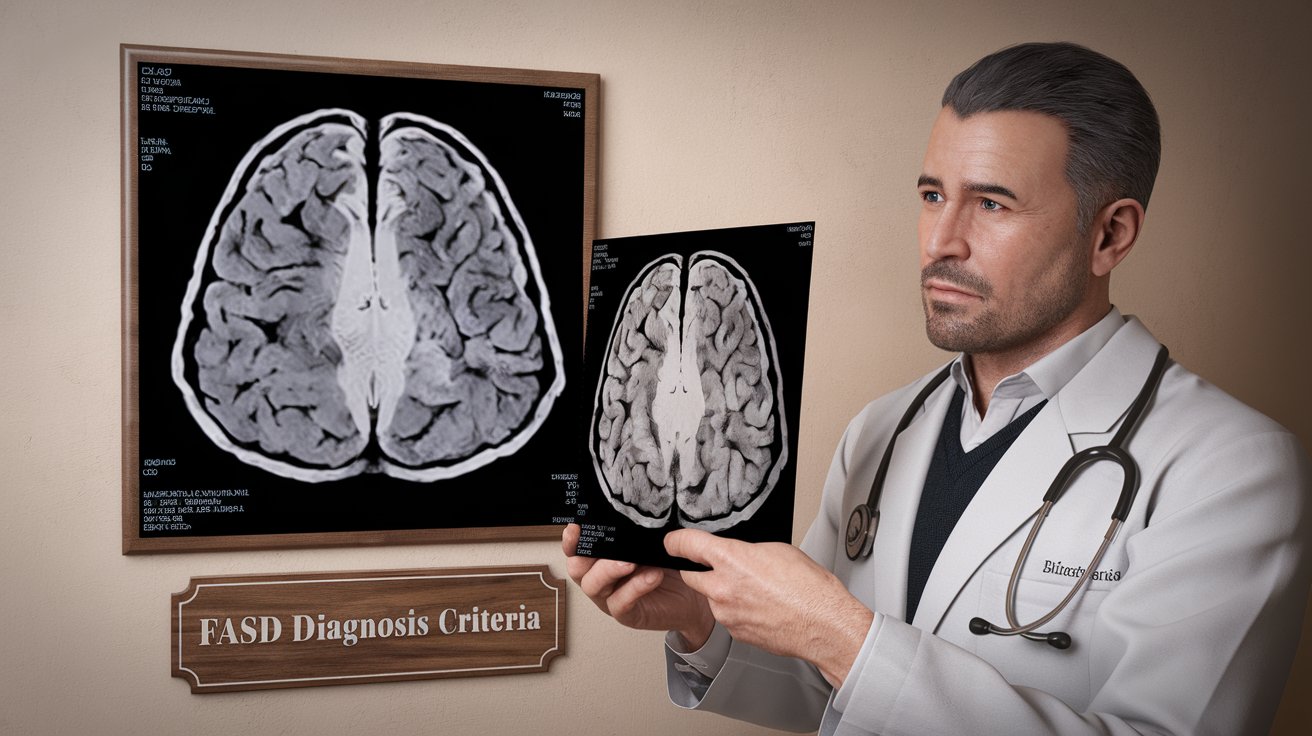
Advanced neuroimaging technologies provide objective evidence of structural brain abnormalities in fetal alcohol syndrome. Magnetic resonance imaging reveals common findings including reduced brain volume, corpus callosum abnormalities, cerebellar hypoplasia, and altered white matter integrity. Diffusion tensor imaging quantifies white matter tract development and connectivity patterns, often showing disrupted neural pathways in frontal-subcortical circuits. Functional MRI studies demonstrate altered activation patterns during cognitive tasks, particularly in regions supporting executive function and social cognition. While not required for diagnosis, neuroimaging strengthens diagnostic confidence and helps rule out alternative explanations for observed symptoms. Approximately 67% of individuals with FAS show detectable structural abnormalities on standard MRI, with more subtle changes identifiable through advanced imaging techniques in an additional 23% of cases. Insurance authorization for neuroimaging typically requires documentation of clinical indications beyond routine screening.
Diagnosing Fetal Alcohol Syndrome in Different Age Groups
The diagnostic approach for FASD varies significantly across developmental stages due to changing manifestations of alcohol-related effects. Facial features are most prominent during early childhood, becoming less distinctive during adolescence and adulthood as facial structures mature. Growth deficits may normalize in some individuals during later childhood while neurocognitive deficits typically persist across the lifespan. Recognition of age-specific presentations ensures appropriate diagnostic consideration at all developmental stages and prevents missed diagnoses in older individuals.
Diagnosis in Infants and Toddlers
Identifying fetal alcohol syndrome symptoms in a 2 year old requires careful developmental monitoring and recognition of early warning signs. Infants may demonstrate feeding difficulties, irritability, sleep disturbances, poor weight gain, and delayed achievement of motor milestones. The characteristic facial features are often most evident during infancy and early childhood, making this an optimal window for recognizing physical signs. Developmental screening tools such as the Ages and Stages Questionnaire and Bayley Scales of Infant Development identify delays in motor, language, cognitive, and social-emotional domains. Pediatricians should maintain high suspicion when mothers report alcohol use during pregnancy and infants demonstrate growth deficits or developmental concerns. Early diagnosis enables timely intervention services including physical therapy, occupational therapy, speech therapy, and developmental support programs that optimize outcomes. The American Academy of Pediatrics recommends universal screening for prenatal alcohol exposure and developmental surveillance at all well-child visits.
Diagnosis in School-Age Children
School-age children with fetal alcohol syndrome child behavior patterns often come to diagnostic attention through academic struggles, attention problems, or behavioral concerns. Teachers may report difficulties with attention, impulsivity, social skills, following multi-step directions, abstract reasoning, and academic achievement below cognitive potential. The combination of learning disabilities, attention deficit hyperactivity disorder symptoms, and social difficulties should prompt consideration of prenatal alcohol exposure. Comprehensive psychoeducational evaluations document cognitive abilities, academic achievement, executive function, attention, memory, and adaptive behavior. Physical examination continues to focus on facial features and growth parameters, though features may become less distinctive as children age. Diagnostic evaluations at this stage establish eligibility for special education services, accommodations under Section 504 plans, and targeted interventions addressing specific areas of impairment. In 2026, the average age of diagnosis in the United States is 7.3 years, though earlier identification improves long-term outcomes.
Diagnosis in Adolescents and Adults
Learning how fetal alcohol syndrome is diagnosed in adults presents unique challenges as facial features become less pronounced and historical information may be unavailable. Adolescents and adults typically present with executive function deficits, mental health concerns, substance use problems, legal involvement, or difficulty maintaining employment. The diagnostic process emphasizes neurocognitive testing, adaptive function assessment, and careful review of childhood records when available. Clinicians look for persistent patterns of impairment across multiple life domains including education, employment, relationships, independent living, and legal history. Adult diagnoses increasingly utilize records review methodology when direct maternal report is unavailable, examining childhood medical records, school records, and historical documentation for evidence supporting prenatal alcohol exposure and early manifestations of FASD. Retrospective diagnosis in adults provides validation for lifelong struggles, facilitates access to disability services and vocational rehabilitation, and informs treatment planning for co-occurring mental health and substance use disorders. Studies indicate that approximately 61% of adults with undiagnosed FASD experience mental health disorders and 49% have encountered legal problems.
Confirming Prenatal Alcohol Exposure
Documenting maternal alcohol consumption during pregnancy forms a critical component of confirming fetal alcohol syndrome. Healthcare providers obtain detailed maternal history through structured interviews, reviewing patterns, quantity, frequency, and timing of alcohol use throughout gestation. Medical records from prenatal care, substance abuse treatment programs, or child protective services may provide corroborating documentation. Birth certificates, hospital records, and social service reports sometimes contain relevant information about maternal substance use during pregnancy.
When direct maternal report is unavailable due to adoption, foster care placement, maternal death, or unreliable reporting, clinicians may proceed with diagnosis based on high probability of exposure given the presence of characteristic features across other diagnostic domains. Biomarkers of prenatal alcohol exposure including fatty acid ethyl esters in meconium and phosphatidylethanol in umbilical cord blood provide objective evidence when collected at birth, though these tests are not routinely performed. In 2026, approximately 35% of FAS diagnoses occur without confirmed maternal report, relying instead on clinical presentation and indirect evidence of exposure.
Maternal Interview Techniques
Skilled clinicians use non-judgmental, empathetic interviewing approaches to facilitate honest disclosure about alcohol consumption during pregnancy. Questions progress from general substance use patterns to specific inquiry about alcohol consumption, using timeline followback methods to reconstruct drinking patterns throughout gestation. The TWEAK and T-ACE screening instruments specifically designed for prenatal populations improve detection of at-risk drinking compared to general alcohol screening tools. Clinicians explain that information serves diagnostic rather than punitive purposes and emphasize confidentiality protections. When mothers express guilt or shame about drinking during pregnancy, supportive responses acknowledging the difficulty of disclosure while validating their contribution to their child’s care facilitate therapeutic alliance. Research indicates that non-judgmental approaches increase disclosure rates by approximately 40% compared to directive questioning. Documentation carefully records reported quantity, frequency, timing, and patterns of alcohol use without value judgments.
Alternative Sources of Exposure Information
When maternal interview is unavailable, diagnostic teams pursue alternative information sources to establish prenatal alcohol exposure. Child welfare records often document substance use concerns leading to protective services involvement. Hospital delivery records may note maternal intoxication, withdrawal symptoms, or positive toxicology screens. Biological fathers, maternal family members, and individuals present during pregnancy can provide collateral information about maternal drinking patterns. Adoption agencies sometimes possess background information about biological mothers’ substance use. Previous children born to the same mother may have documented FASD diagnoses, increasing probability of exposure for siblings. In cases with strong physical and neurocognitive evidence but unavailable exposure confirmation, diagnostic classification may use terminology such as static encephalopathy or neurobehavioral disorder associated with prenatal alcohol exposure, which do not require confirmed exposure history. Approximately 28% of FASD diagnoses rely primarily on collateral sources rather than direct maternal report.
Differential Diagnosis and Ruling Out Similar Conditions
The diagnostic process for fetal alcohol syndrome requires careful consideration of alternative explanations for observed features. Numerous genetic syndromes, metabolic disorders, and environmental factors can produce similar facial features, growth deficits, or neurodevelopmental impairments. Clinicians systematically evaluate and exclude conditions including velocardiofacial syndrome, Williams syndrome, Cornelia de Lange syndrome, toluene embryopathy, and maternal phenylketonuria. Genetic testing, metabolic screening, and detailed family history help differentiate FAS from genetic conditions presenting with overlapping features.
Neurodevelopmental disorders such as attention deficit hyperactivity disorder, autism spectrum disorder, intellectual disability, and learning disabilities may co-occur with FASD or represent primary diagnoses in the absence of prenatal alcohol exposure. The diagnostic process carefully distinguishes between primary FASD and secondary conditions, recognizing that individuals may have multiple diagnoses. Approximately 73% of individuals with fetal alcohol syndrome meet criteria for at least one additional psychiatric or neurodevelopmental disorder, with ADHD present in 84% of cases and anxiety disorders in 49%. Comprehensive evaluation differentiates between alcohol-related brain injury and other potential causes of similar presentations.
Genetic Testing and Metabolic Screening
Genetic consultation and testing form important components of the differential diagnostic process. Chromosomal microarray analysis detects submicroscopic deletions and duplications associated with developmental delays and intellectual disability. Single gene testing evaluates specific genetic syndromes when clinical features suggest particular conditions. Whole exome sequencing identifies pathogenic variants in genes associated with neurodevelopmental disorders when initial testing proves unrevealing. Metabolic screening assesses for inborn errors of metabolism that may produce developmental regression or specific neurocognitive patterns. Thyroid function tests, lead screening, and nutritional assessments address potentially treatable causes of growth deficiency and developmental delay. The diagnostic team integrates genetic and metabolic findings with other assessment results, recognizing that identification of genetic variants does not exclude concurrent FASD when prenatal alcohol exposure occurred. Insurance coverage for genetic testing typically requires medical necessity documentation and prior authorization approval.
Distinguishing FASD from Other Neurodevelopmental Disorders
Differentiating fetal alcohol syndrome behavior patterns from other neurodevelopmental conditions requires understanding characteristic profiles of various disorders. FASD typically produces a pattern of relative strengths in basic language and reading decoding with weaknesses in mathematical reasoning, executive function, social cognition, and adaptive behavior. Autism spectrum disorder shows more prominent social communication deficits and restricted, repetitive behaviors. ADHD alone does not produce the growth deficits or facial features characteristic of FAS. The combination of physical features, growth deficiency, and specific neurocognitive profile distinguished FASD from isolated developmental or behavioral disorders. Detailed developmental history reveals onset, progression, and context of symptoms. Standardized rating scales and diagnostic interviews assess symptom patterns across settings. Clinicians consider that prenatal alcohol exposure may contribute to ADHD, anxiety, or mood symptoms even when full FAS criteria are not met. Accurate differential diagnosis ensures appropriate intervention planning and realistic expectations for treatment response.
Multidisciplinary Team Approach to FASD Diagnosis
Optimal diagnosis of fetal alcohol syndrome involves collaborative assessment by professionals across multiple disciplines. The multidisciplinary team typically includes developmental pediatricians, clinical geneticists, neuropsychologists, occupational therapists, speech-language pathologists, and social workers. Each specialist contributes unique expertise evaluating specific diagnostic criteria and ruling out alternative explanations. Team conferences facilitate integration of findings across evaluations, consensus building regarding diagnostic conclusions, and development of comprehensive intervention recommendations.
Specialized FASD diagnostic clinics operating in 48 states coordinate multidisciplinary evaluations, reducing the burden on families of coordinating appointments across providers and ensuring standardized diagnostic protocols. These clinics maintain high diagnostic accuracy through regular team training, use of validated assessment tools, and quality assurance procedures. In 2026, approximately 127 specialized FASD diagnostic clinics operate in the United States, with average waiting times of 3.8 months for initial evaluation. State health departments and universities often sponsor diagnostic clinics to improve access for underserved populations. Interdisciplinary collaboration produces more accurate diagnoses and comprehensive intervention plans compared to single-provider assessment models.
Role of Each Specialist in the Diagnostic Process
The developmental pediatrician or clinical geneticist typically leads the diagnostic team, conducting the medical history review, physical examination, and assessment of facial features and growth parameters. They coordinate the evaluation process, integrate findings across specialists, and communicate diagnostic conclusions to families. The neuropsychologist administers and interprets comprehensive cognitive and behavioral assessments, documenting neurocognitive strengths and weaknesses across domains. Occupational therapists evaluate sensory processing, fine motor skills, visual-motor integration, and adaptive functioning in daily living activities. Speech-language pathologists assess language development, pragmatic communication, and social communication abilities. Social workers gather detailed family history, coordinate community resources, and provide emotional support to families throughout the diagnostic process. When indicated, additional specialists including neurologists, ophthalmologists, audiologists, and psychiatrists contribute specialized evaluations. The team approach ensures comprehensive assessment of all diagnostic criteria and holistic understanding of the individual’s strengths and needs.
Integration and Consensus Building
Following completion of individual assessments, the multidisciplinary team convenes to review findings and reach diagnostic consensus. Team members present their evaluation results, highlighting observations relevant to diagnostic criteria for fetal alcohol syndrome. The team systematically reviews evidence for each of the four major criteria: facial features, growth deficiency, central nervous system abnormalities, and prenatal alcohol exposure. Discrepancies across evaluations are discussed and resolved through review of assessment data and clinical reasoning. The team considers alternative diagnoses, co-occurring conditions, and differential diagnostic possibilities. Consensus is reached regarding whether the individual meets full criteria for fetal alcohol syndrome, represents another FASD condition, or has alternative explanations for presenting concerns. The diagnostic formulation includes specific diagnostic classification, summary of supporting evidence, list of co-occurring conditions, functional impact statement, and prioritized intervention recommendations. This consensus-based approach improves diagnostic reliability and ensures families receive consistent information across providers.
Understanding FASD Lifespan and Long-Term Outcomes
Questions about how long people live with FASD reflect concerns about life expectancy and long-term prognosis. Research indicates that individuals with fetal alcohol syndrome face increased mortality risks compared to the general population, with life expectancy reduced by an average of 15-20 years. Leading causes of premature mortality include suicide, accidents, substance abuse complications, and medical comorbidities. However, with appropriate diagnosis, intervention, and support services, many individuals with FASD live into their 60s and 70s. Early diagnosis significantly improves outcomes by facilitating access to supportive services, educational accommodations, and preventive interventions.
Long-term outcomes vary substantially based on diagnostic subtype, symptom severity, socioeconomic factors, family support, and access to services. Protective factors including early diagnosis before age 6, stable and nurturing home environment, absence of violence exposure, and eligibility for disability services substantially improve adaptive functioning and quality of life. In 2026, longitudinal studies demonstrate that individuals receiving early intervention services show 40% better adaptive functioning in adulthood compared to those diagnosed later or receiving limited services. Understanding realistic prognosis helps families access appropriate supports and advocate effectively for needed services throughout the lifespan.
After the Diagnosis: Next Steps and Interventions
Receiving a fetal alcohol syndrome diagnosis marks the beginning of intervention rather than the end of the assessment process. The diagnostic team provides families with comprehensive written reports documenting evaluation findings, diagnostic conclusions, and detailed recommendations for interventions, therapies, educational supports, and community resources. These reports serve as essential documentation for accessing services through schools, developmental disabilities agencies, Medicaid waiver programs, and Social Security disability benefits. Families benefit from clear explanations of diagnostic findings, realistic discussions of prognosis, and guidance navigating complex service systems.
Immediate next steps following diagnosis typically include referrals to early intervention programs for children under age 3, special education evaluations for school-age children, applications for disability services, connections with parent support groups, and scheduling of recommended therapies. The diagnostic team helps families prioritize interventions based on individual needs and available resources. Follow-up appointments monitor progress, adjust intervention plans, and address emerging concerns across developmental stages. In 2026, evidence-based interventions for FASD include cognitive-behavioral therapy adapted for executive function deficits, parent training in FASD-informed behavior management, specialized tutoring addressing mathematical reasoning, social skills groups, and medication management for co-occurring ADHD or mood disorders when indicated. Comprehensive intervention services improve adaptive functioning by an average of 23 percentile points over three years compared to diagnosis without systematic intervention.
Related video about how is fetal alcohol syndrome diagnosed
This video complements the article information with a practical visual demonstration.
Frequently Asked Questions
How do you confirm fetal alcohol syndrome?
Confirming fetal alcohol syndrome requires meeting four major diagnostic criteria: characteristic facial features including smooth philtrum, thin upper lip, and small eye openings; growth deficiency at or below the 10th percentile; central nervous system abnormalities documented through neurological examination or neuropsychological testing showing impairments in three or more domains; and confirmed or suspected prenatal alcohol exposure. A multidisciplinary team including pediatricians, geneticists, and neuropsychologists conducts comprehensive evaluations using standardized assessment tools. The diagnosis integrates findings across physical examination, growth measurements, neurocognitive testing, and maternal history. In 2026, specialized FASD diagnostic clinics throughout the United States provide coordinated evaluations ensuring accurate diagnosis based on established clinical criteria and ruling out alternative conditions with similar presentations.
How long do people live with FASD?
People with fetal alcohol spectrum disorders have a life expectancy reduced by an average of 15-20 years compared to the general population, though this varies significantly based on diagnostic subtype and individual circumstances. Individuals with full fetal alcohol syndrome face higher mortality risks than those with partial FAS or alcohol-related neurodevelopmental disorder. Leading causes of premature death include suicide, accidents, substance abuse complications, and associated medical conditions. However, many individuals with FASD live into their 60s and 70s, particularly when they receive early diagnosis, consistent support services, stable living environments, and comprehensive medical care. Protective factors including diagnosis before age 6, nurturing family placement, and access to disability services substantially improve outcomes. In 2026, enhanced intervention programs and support services continue improving long-term health and adaptive functioning for individuals with FASD throughout the United States.
What are the symptoms of fetal alcohol syndrome in a 2 year old?
Symptoms of fetal alcohol syndrome in a 2 year old typically include delayed achievement of motor milestones such as walking and coordination difficulties, delayed speech and language development, growth deficiency with weight and height below expected ranges, and characteristic facial features including smooth philtrum, thin upper lip, and small eye openings. Behavioral symptoms may include irritability, poor self-regulation, difficulty with transitions, sensory sensitivities, and sleep disturbances. Developmental screening often reveals delays in cognitive, language, motor, and social-emotional domains. Feeding difficulties and failure to thrive may have been present during infancy. Parents may notice challenges with attention, following simple directions, and learning through typical early childhood experiences. The combination of growth deficits, developmental delays, and characteristic facial features should prompt evaluation for prenatal alcohol exposure. Early diagnosis at this age enables timely access to early intervention services including physical therapy, occupational therapy, and speech therapy that optimize developmental outcomes.
What are the four major symptoms of fetal alcohol syndrome?
The four major diagnostic criteria for fetal alcohol syndrome are characteristic facial abnormalities, growth deficiency, central nervous system dysfunction, and prenatal alcohol exposure. Facial abnormalities include three specific features: smooth philtrum (flattened groove between nose and upper lip), thin vermillion border (thin upper lip), and small palpebral fissures (shortened eye openings). Growth deficiency means prenatal or postnatal height or weight at or below the 10th percentile for gestational age, adjusted for familial patterns. Central nervous system dysfunction includes structural brain abnormalities, neurological problems, or functional impairments in three or more domains such as cognition, executive functioning, attention, motor skills, language, social skills, or adaptive behavior. The fourth criterion requires confirmed or suspected maternal alcohol consumption during pregnancy. All four criteria must be present for a definitive diagnosis of fetal alcohol syndrome, though individuals not meeting full criteria may receive other diagnoses within the fetal alcohol spectrum disorder continuum.
Can fetal alcohol syndrome be diagnosed in adults?
Fetal alcohol syndrome can be diagnosed in adults, though the process presents unique challenges as facial features become less prominent with age and historical information may be limited. Adult diagnosis emphasizes comprehensive neuropsychological testing documenting persistent patterns of executive function deficits, memory impairments, and adaptive functioning difficulties. Diagnostic teams review childhood medical records, school records, and developmental histories when available. Physical examination still assesses for characteristic facial features, though these subtle findings require experienced clinicians. When maternal report is unavailable due to adoption, foster care history, or maternal death, diagnosis may proceed based on characteristic clinical presentation and indirect evidence of prenatal exposure. In 2026, increasing recognition of undiagnosed FASD in adults leads to retrospective diagnoses that validate lifelong struggles and facilitate access to disability services, vocational rehabilitation, and appropriate mental health treatment. Adult diagnosis provides important context for understanding employment difficulties, relationship challenges, legal involvement, and mental health concerns.
What specialists are involved in diagnosing fetal alcohol syndrome?
Diagnosing fetal alcohol syndrome involves a multidisciplinary team of specialists working collaboratively. The team typically includes a developmental pediatrician or clinical geneticist who leads the evaluation, conducts the physical examination, and assesses facial features and growth parameters. A neuropsychologist administers comprehensive cognitive and behavioral testing to document neurocognitive strengths and weaknesses. An occupational therapist evaluates sensory processing, fine motor skills, and adaptive functioning in daily activities. A speech-language pathologist assesses language development and social communication abilities. A social worker gathers family history and coordinates community resources. Additional specialists may include neurologists, audiologists, ophthalmologists, and psychiatrists when indicated. In 2026, specialized FASD diagnostic clinics coordinate these multidisciplinary evaluations, with approximately 127 clinics operating across the United States. This team approach ensures comprehensive assessment of all diagnostic criteria, accurate differential diagnosis, and development of thorough intervention recommendations that address the individual’s specific needs across multiple domains of functioning.
| Diagnostic Component | Assessment Methods | Clinical Value |
|---|---|---|
| Facial Features | Lip-Philtrum Guide measurement, palpebral fissure length assessment, standardized photography | Provides objective physical evidence supporting prenatal alcohol exposure diagnosis |
| Growth Parameters | Height, weight, head circumference plotted on standardized growth charts | Documents growth deficiency at or below 10th percentile meeting diagnostic criteria |
| Neurocognitive Testing | Comprehensive neuropsychological battery assessing multiple cognitive domains | Identifies specific patterns of strengths and weaknesses guiding intervention planning |
| Brain Imaging | MRI, functional MRI, diffusion tensor imaging of brain structures | Reveals structural abnormalities and strengthens diagnostic confidence |
| Prenatal History | Maternal interview, medical records review, collateral information sources | Confirms alcohol exposure during critical developmental periods |
| Differential Diagnosis | Genetic testing, metabolic screening, systematic evaluation of alternative conditions | Rules out genetic syndromes and other causes of similar presentations |